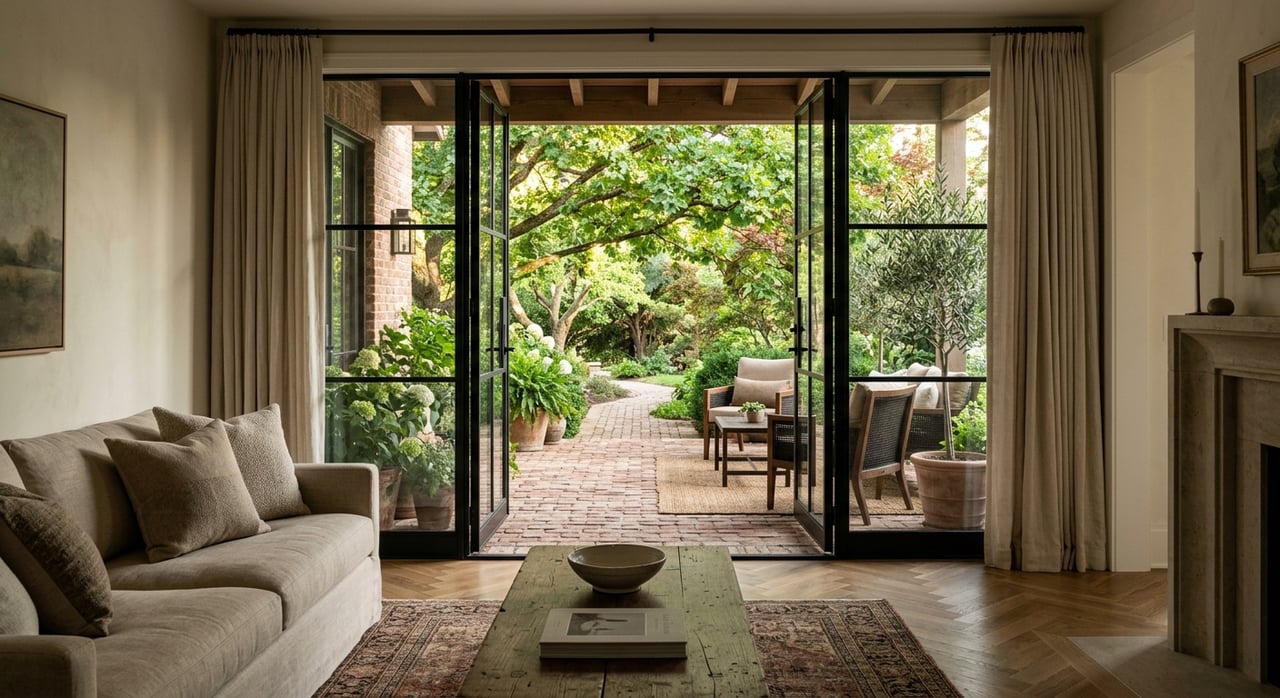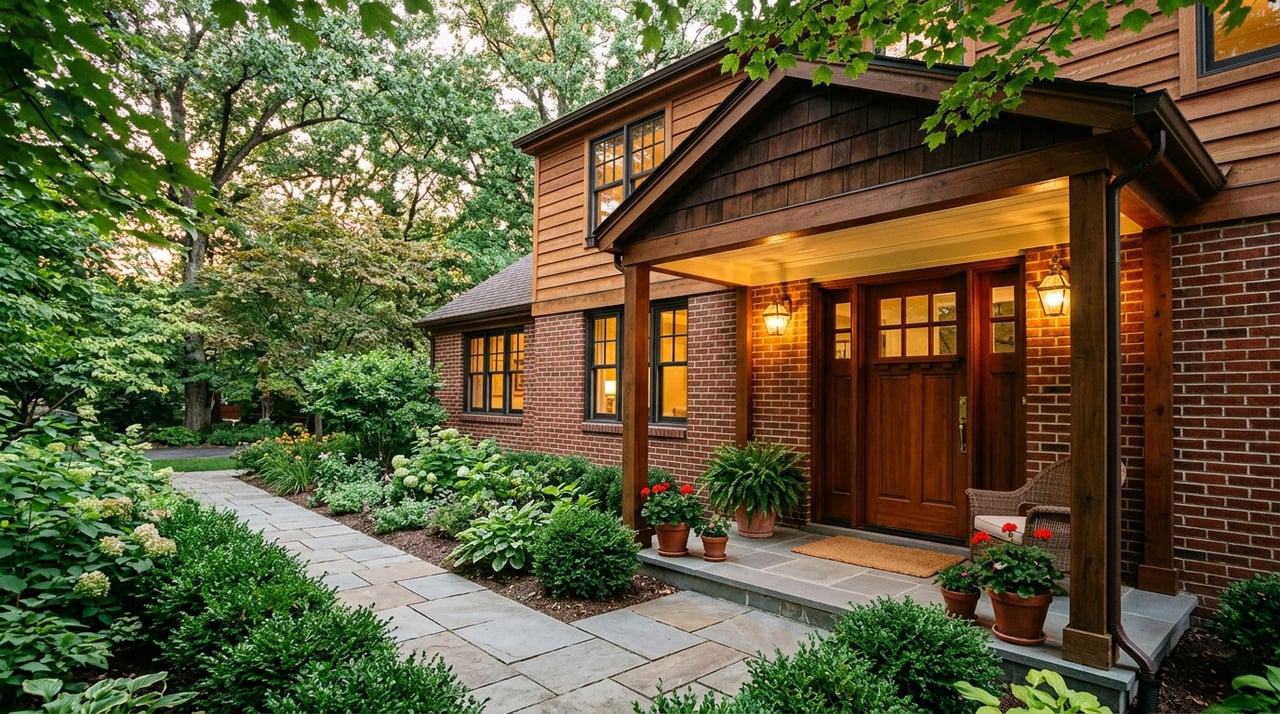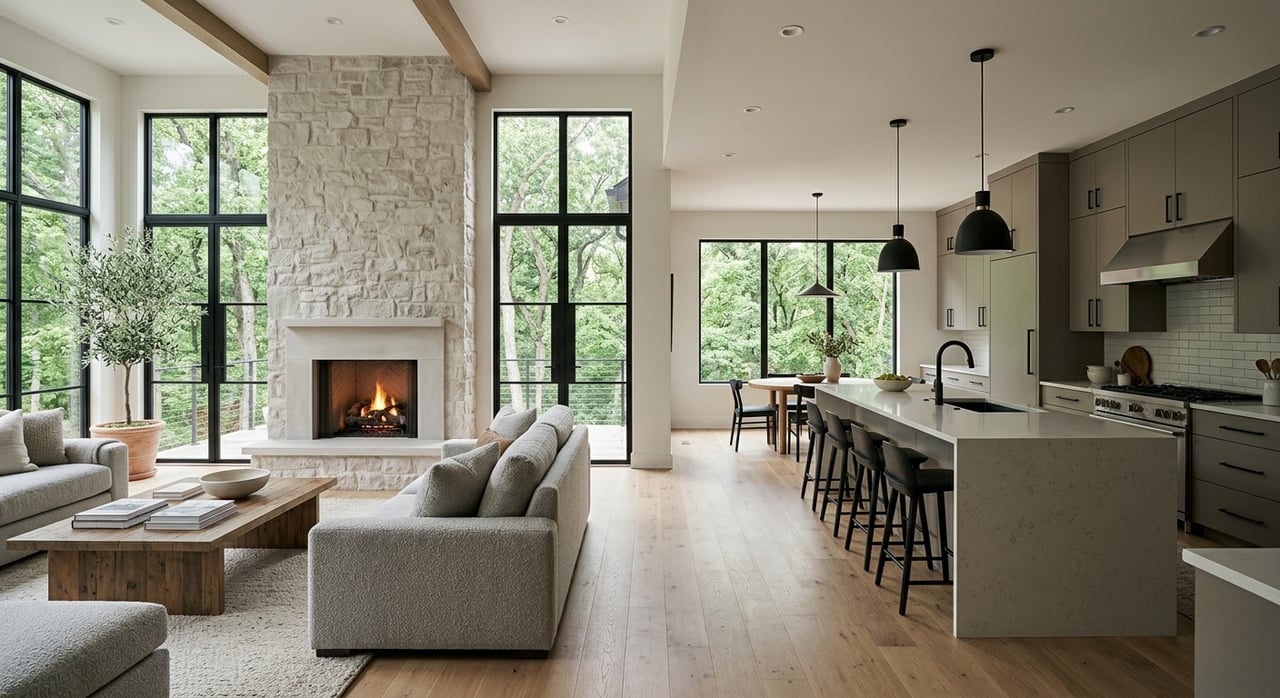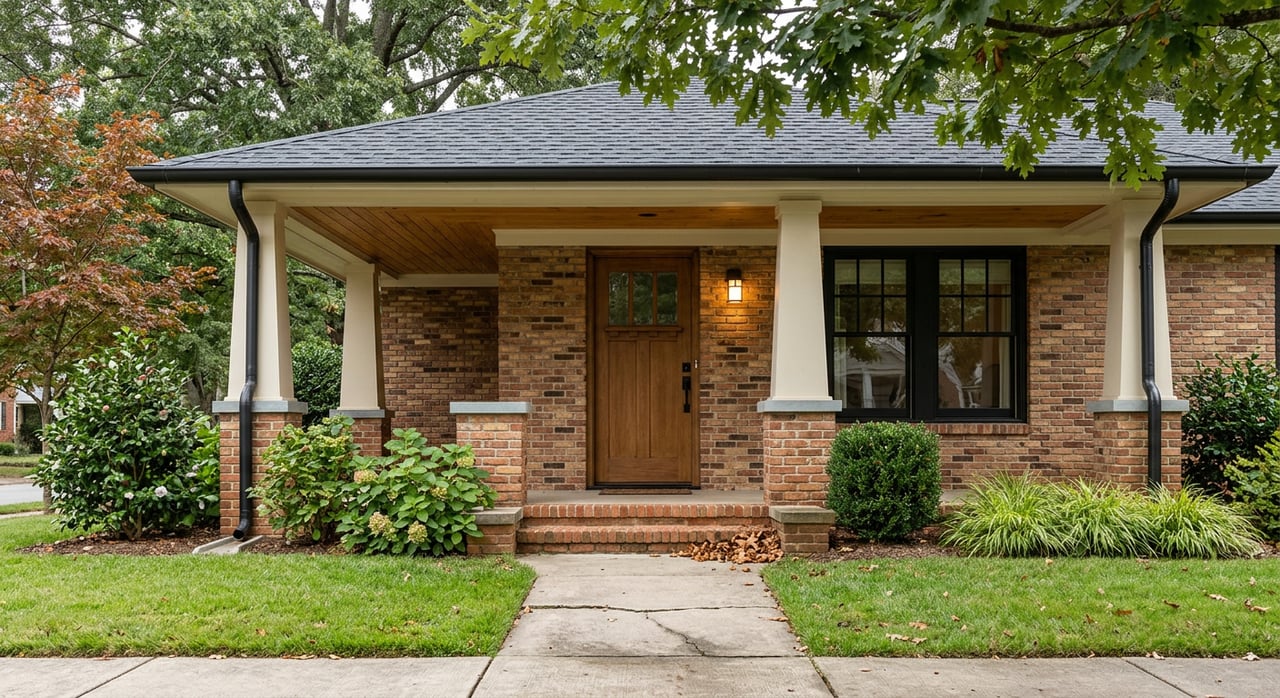
Picture yourself on a deep front porch, coffee in hand, waving to neighbors on a quiet, tree-lined street. If that sounds like home, a classic Hillcrest bungalow might be the perfect fit. These homes blend character and walkability with a strong sense of place. In this guide, you’ll learn what makes Hillcrest bungalows special, what to inspect before you buy, how local rules shape renovations, and how to plan your purchase with confidence. Let’s dive in.
Why Hillcrest bungalows stand out
Hillcrest grew during the streetcar era, and many homes date from the early 1900s to the 1930s. The neighborhood appears on the National Register of Historic Places, which helps explain why you see so many Craftsman details and modest cottage forms. You will notice low-pitched gable roofs, wide porches, tapered columns on piers, exposed rafter tails, and original wood-sash windows throughout the district. Interiors often include built-ins, hardwood floors, and detailed trim that give these homes their warm, timeless feel. You can explore the district’s historic significance and architecture in the National Register nomination.
Hillcrest lots are typically compact, with sidewalks and mature trees. Many blocks were platted before the era of large garages, which shapes how you live and park today. The result is a neighborhood that feels connected to its past and easy to enjoy on foot.
Historic status and your plans
A key point for buyers: a National Register listing honors a property’s history, but it does not automatically stop you from altering a private home. Local rules are what matter for design and additions. In Hillcrest, the City maintains a Hillcrest Design Overlay District, known as the DOD, that sets standards to preserve neighborhood scale and character. Before you plan a remodel or addition, review the city’s current guidance and maps on the Hillcrest Design Overlay District page.
Requirements and processes can change as the City updates policies and community groups weigh in. If you are trying to understand what you can build, confirm current rules with Planning & Development staff. Your agent can help you gather the right documents early, so surprises do not appear mid-renovation.
Lot, block, and parking realities
Some Hillcrest properties have no private driveway, while others use alley access or detached garages set at the back of the lot. That pattern is most common near Kavanaugh and former streetcar corridors. City planning documents note that many homes along Kavanaugh lack private driveways and rely on on-street parking. If parking is important to you, review parcel access and curb space carefully and study the city’s Kavanaugh corridor FAQ for useful context.
Expect small-to-medium yards, sidewalks, and mature trees that add shade and charm. If you envision future additions, remember that lot size and placement, as well as design rules in the DOD, will shape what is feasible.
Renovation and system checks
Think of your purchase as two parts: preserving the character you love and modernizing the systems you need. Old-house charm pairs well with targeted updates, but it pays to inspect first and plan upgrades in the right order.
Electrical safety
Older homes can have smaller service sizes, vintage panels, or even knob-and-tube wiring. These conditions are common red flags for insurers and lenders. Because electrical-origin fires are a meaningful risk in older properties, have a licensed electrician evaluate the service, panel, and visible wiring. For general safety context, review this overview of high-risk conditions from a home safety resource.
Plumbing and water service
Many bungalows still carry mid-century or earlier plumbing. Central Arkansas Water has been proactive about identifying and replacing lead service lines on the public side, but you should still verify the customer-owned portion of the line. Ask the utility for current service-line records and consider a licensed plumber and sewer-scope to understand pipe materials and the condition of the lateral. Learn how the utility uses mapping tools in this GIS case study on CAW’s efforts.
Lead paint and asbestos
If the home was built before 1978, lead-based paint may be present. Federal rules require sellers to disclose known hazards and require EPA-certified work practices when contractors disturb painted surfaces. If you plan to renovate, budget for lead-safe work and testing. Review current requirements in the EPA’s guidance for the RRP rule.
Older homes may also include asbestos in insulation, floor tiles, or pipe wrap. Asbestos is generally safe if left undisturbed but can become hazardous during demolition. Have suspect materials sampled and, if needed, removed by certified professionals. For a clear primer on risks and handling, see this asbestos safety overview.
Comfort, HVAC, and energy
Many bungalows benefit from targeted energy upgrades. Attic insulation, air sealing, and a right-sized heat pump or AC can improve comfort and lower costs. Conduct an energy audit first, then plan upgrades that respect historic materials and moisture control. The Department of Energy outlines practical steps in its insulation and savings guide.
Foundations, moisture, and pests
Arkansas’s climate supports wood-destroying insects, so order a termite and WDI inspection. Many older homes need better drainage or larger gutters to move water away from the foundation. If there are mature trees or if the sewer is original, a sewer-scope is a smart investment. In crawlspace homes, check for moisture, ventilation, and appropriate vapor barriers.
Permits, design review, and ADUs
Plan ahead for permits. Structural changes, electrical work, plumbing updates, and many exterior changes require city permits. Properties inside the Hillcrest DOD may also follow design standards, and some exterior changes can require review by Historic Preservation staff. Confirm what applies to your specific address using the city’s Hillcrest DOD resources.
If you are thinking about an accessory dwelling unit, review recent code updates. Arkansas law and Little Rock have been aligning on ADU policy, which can affect what is allowed on single-family lots. Overlay rules and design compatibility may still guide placement and appearance. For background on local discussions, read the city’s ADU community meeting materials, then verify today’s ordinance with Planning & Development.
Insurance and lending considerations
Older-home conditions can affect both underwriting and pricing. Insurers and lenders look closely at roofing, electrical, and plumbing. If a home has a severely aged roof or unsafe wiring, you might face higher premiums or conditions at closing. To avoid surprises, get insurance quotes and speak with your lender early. For a quick overview, see how home age can influence coverage in this insurance guide.
Buyer checklist for Hillcrest bungalows
Use this practical list to focus your search and protect your budget.
Ask the listing agent
- Is the home inside the Hillcrest Design Overlay District or subject to other local historic controls? Ask for a map or written confirmation from the City’s Planning & Development team. Review the Hillcrest DOD page.
- What is the permit history for additions, exterior changes, roofing, electrical, plumbing, and HVAC? Request any approvals from preservation staff if applicable.
- Has the seller checked the water service line material and contacted Central Arkansas Water about any lead or galvanized lines?
- Is the property in a FEMA special flood hazard area, or has a LOMA or LOMR been issued? Use PAgis to check layers and lot lines at Pulaski Area GIS.
Order these inspections
- General home inspection, and attend in person so you can see issues firsthand.
- Licensed electrician evaluation of service size, panel type, and any knob-and-tube or cloth-insulated wiring.
- Licensed plumber inspection with a full sewer-scope.
- Termite and WDI inspection.
- Chimney inspection if the fireplace is active or you want to restore it.
- Lead and asbestos testing if you plan to renovate. Sample suspect materials before demolition.
- Energy audit if you plan to upgrade insulation and HVAC.
Write strong contract terms
- Inspection contingencies that include time for specialist reports and repair bids.
- Seller-provided permit history and documentation for prior exterior work, including any approvals from preservation staff.
- A condition for early insurance quotes and a mortgage pre-approval that accounts for property condition.
Verify local facts
- Contact the Pulaski County Assessor or Treasurer for parcel appraisal and tax details.
- Confirm DOD status, current design standards, and permit history with the City of Little Rock Planning & Development.
- Use PAgis to review FEMA flood layers, lot lines, and nearby utilities at Pulaski Area GIS.
Long-term value and market feel
Hillcrest’s charm, walkable business district, and historic architecture support strong, steady demand. Well-cared-for homes with intact character elements attract buyers quickly, especially when major systems are modernized. Neighborhood snapshots and market context are readily available from local data sources, and your agent can help you interpret current trends before you write an offer.
Ready to make a move?
A Hillcrest bungalow offers everyday livability with timeless detail. With smart inspections, a clear view of local rules, and a plan for systems and comfort upgrades, you can protect what makes the home special while tailoring it to your lifestyle. If you want a local advocate who can help you evaluate homes, coordinate trusted inspectors, and navigate DOD and permit questions, reach out to Will Smith. Let’s talk about your goals and build a plan that fits your budget and timeline.
FAQs
What defines a classic Hillcrest bungalow?
- Expect low-pitched gable roofs, deep porches with tapered columns, exposed rafters, original wood-sash windows, built-ins, and modest 1 to 1.5 story massing, as documented in the neighborhood’s National Register nomination.
Does National Register status restrict my renovations in Hillcrest?
- A National Register listing is honorary and does not by itself stop private alterations, but local rules like the Hillcrest Design Overlay District can shape exterior work and additions, so confirm requirements on the City’s DOD page.
How do I check if a property is in the Hillcrest DOD?
- Ask your agent to request City confirmation and review current maps and standards on the Hillcrest DOD resources.
Can I add an ADU to a Hillcrest lot?
- Little Rock has been aligning its ADU rules with recent state changes, but overlay standards and design compatibility can still apply, so review the City’s ADU meeting materials and verify the final ordinance with Planning & Development.
What inspections are must-haves for an older bungalow in Little Rock?
- In addition to a general inspection, order an electrician review, plumber and sewer-scope, termite and WDI, chimney inspection, and testing for lead and asbestos if you plan renovations, plus an energy audit for comfort upgrades.
How does parking usually work near Kavanaugh in Hillcrest?
- Many properties near the Kavanaugh corridor predate private driveways, so on-street parking and alley access are common; the City’s Kavanaugh corridor FAQ provides helpful context on local patterns.