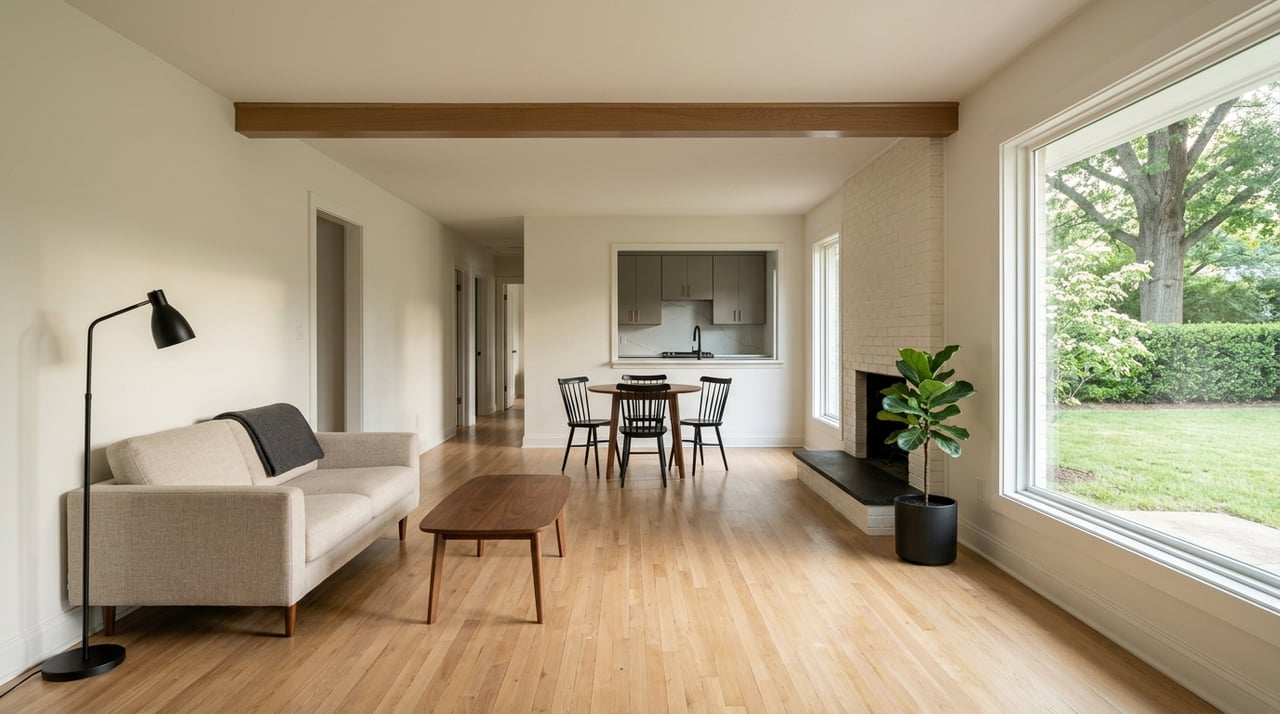
If you love the idea of one-level living, Midtown Little Rock is one of the most interesting places to look. This part of Little Rock includes a meaningful share of mid-century homes, and ranch-style houses remain a recognizable part of that story. If you are thinking about buying one, it helps to understand how these homes were built, how they function today, and what to check before you close. Let’s dive in.
Why Midtown Fits Ranch Buyers
Midtown is closely tied to Little Rock’s mid-20th-century growth, and the area still shows that history in its housing stock. Little Rock’s preservation planning identifies streets like N. Mississippi Street, Wingate Drive, Evergreen Drive, and nearby blocks as places with notable mid-century residential architecture. That makes Midtown a natural search area if you want a ranch-style home with local architectural context.
Many Midtown homes from this period are modest in size, frame-built, and have simple detailing. The city also notes that a number of these homes have seen exterior changes over time, including updated porches, siding, and windows. For you as a buyer, that means originality varies from house to house.
What Defines a Ranch-Style Home
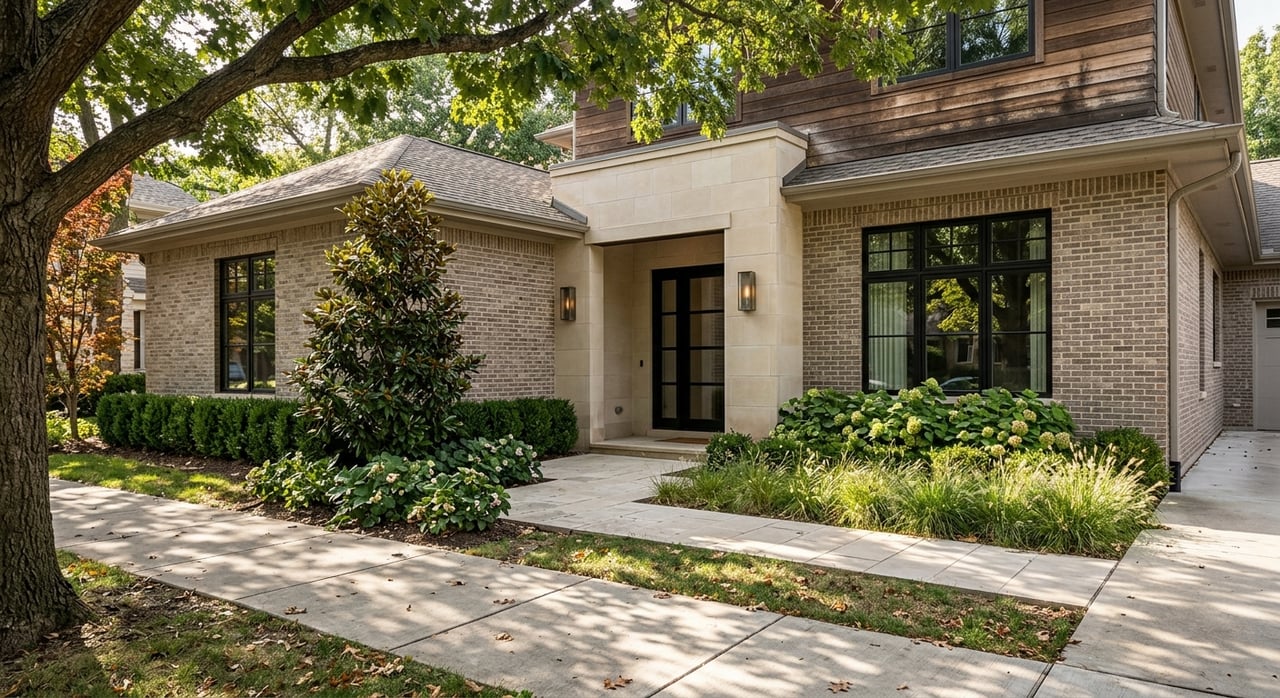
Ranch homes in Little Rock usually share a few core features. Common traits include a one-story layout, a rectangular plan, low-pitched hipped or gable roofs, large chimneys, picture windows, and simple brick veneer. Many also include a carport or a garage wing.
You may also see different ranch subtypes as you shop. Little Rock’s postwar housing context describes compact Linear Ranch homes, larger Rambler or Composite Ranch plans, and Colonial Ranch variations. Even when two homes look similar from the street, their floor plans and additions can create very different living experiences.
How Ranch Layouts Live Today
One reason buyers still like ranch homes is their ease of use. These homes were designed around a more informal, horizontal style of living, often with spread-out rooms and a stronger connection to the backyard. In practical terms, you may get simpler circulation, fewer stairs, and a layout that feels efficient.
That does not mean every ranch lives the same way today. Some Midtown homes have enclosed porches, converted carports, or rear additions. Those changes can improve function, but only if they were integrated well with the original roofline, massing, and drainage.
What to Look For During Tours
When you tour a ranch-style home in Midtown, look beyond the surface finishes. Fresh paint and updated fixtures can be appealing, but the real value often comes from how well the home has aged and how thoughtfully it has been updated.
Pay close attention to exterior changes. In Midtown, many homes have replacement windows, altered porches, new siding, or added living space. A useful question is whether those changes feel consistent with the home’s original shape and construction, or whether they create awkward transitions that may lead to maintenance issues later.
Focus on Roofline and Drainage
Low, wide rooflines are part of what gives ranch homes their character. They also affect how water moves across the house and lot. If an addition changes the roof shape or gutter path, you will want to understand whether drainage was handled properly.
This is especially important before closing on an older property. The City of Little Rock advises property owners to verify floodplain status using FEMA flood insurance rate maps, and that check is worth making for any home where past additions or drainage changes may affect water flow around the lot.
Check the Carport or Garage Area
Carports and garage wings are common ranch features in Little Rock. If one has been enclosed, study how that work connects to the rest of the house. Pay attention to floor height changes, roof tie-ins, HVAC coverage, and whether the conversion feels like a natural part of the home.
A conversion is not automatically a problem. But if the work interrupts the original layout or creates ventilation, drainage, or comfort issues, it may not add as much value as it first appears.
Inspection Priorities for a 1950s Ranch
A Midtown ranch can be a great fit, but age matters. Most of these homes need a closer look at materials, mechanical systems, and prior renovation work. Going in with the right inspection priorities can help you avoid expensive surprises.
Lead-Based Paint Risks
If the home was built before 1978, treat it as potentially containing lead-based paint. Sellers of most pre-1978 homes must disclose known lead information and provide the required lead-hazard pamphlet. If you want more certainty, you can ask for an independent lead inspection before closing.
This issue matters even more if you plan to renovate. Sanding, scraping, and window replacement can create lead dust, including in homes where the paint looks intact. If work will disturb painted surfaces, lead-safe practices are an important part of the plan.
Asbestos Concerns During Remodeling
If you expect to remodel, ask more questions about older materials. Before disturbing older floor tile, ceiling tile, pipe wrap, or similar materials, it is wise to have suspected asbestos-containing materials sampled by a trained professional.
That step can be especially relevant in one-level homes where updates often involve flooring, ceilings, wall cavities, or utility chases. A simple cosmetic project can become more complex if hidden materials need specialized handling.
Energy Performance and Comfort
Energy performance is another big checkpoint in older ranch homes. A home energy audit can help identify where the house is losing efficiency, and common priorities include air sealing, insulation, moisture control, and ventilation.
In a typical house, about 20% to 30% of the air moving through the duct system can be lost through leaks, holes, and poor connections. In a Midtown ranch, that makes attic insulation, duct sealing, and sealing around penetrations especially important if you want better comfort and lower operating costs.
Permits for Past Work
One of the smartest due-diligence steps is verifying whether major work was permitted. Little Rock’s Building Codes Division handles plan review and inspections for building, plumbing, mechanical, and electrical construction.
If the home has an addition, rewiring, HVAC replacement, or other major updates, a pre-closing file review can help confirm whether the work was completed through the proper process. That can give you a clearer picture of the home’s condition and reduce uncertainty after closing.
Best Upgrades for Midtown Ranch Homes
If you buy a ranch-style home in Midtown, the best improvements are often not the flashiest ones. In many cases, system and envelope upgrades do more for comfort, durability, and long-term value than dramatic layout changes.
Start with the shell of the house. Air sealing, insulation, and duct improvements can make a meaningful difference in how the home feels day to day. Updated electrical, plumbing, and HVAC systems are also worth planning carefully, especially when older homes have a mix of original and newer components.
Preserve the Features That Matter
Ranch homes have a distinct look, and certain features help define that character. Little Rock’s housing context points to elements like low rooflines, picture windows, brick veneer, and carport or garage wings as recurring ranch features.
If those elements are in sound condition, repairs that preserve them often fit the house better than changes that erase them. That does not mean you cannot update the home. It means your renovation budget may go farther when you focus on safety, comfort, efficiency, and durable repairs before chasing a total style reset.
Understand Historic Review Rules
Before you budget for exterior work, verify whether the property is in any historic-preservation layer. Little Rock notes that National Register listing is honorary and does not itself restrict private owners, while local design review applies only in local ordinance districts.
The city also notes that MacArthur Park is the only local ordinance historic district. So for many Midtown ranch homes, ordinary city permits may matter more than historic design review. Still, checking early can save time and confusion.
A Smart Buying Strategy in Midtown
Buying a ranch-style home in Midtown Little Rock is part design choice and part due diligence exercise. You are often looking at a home with strong livability, mature neighborhood context, and a style that still works well for modern life. At the same time, you need to understand updates, materials, energy performance, and permitting.
The good news is that these homes can reward careful buyers. If you compare original character with later changes, verify major work, and focus on the systems that matter most, you can make a more confident decision about which Midtown ranch truly fits your goals.
If you want a practical guide as you compare Midtown homes, Will Smith can help you evaluate neighborhood context, spot meaningful differences between properties, and navigate the buying process with clear local insight.
FAQs
What defines a ranch-style home in Midtown Little Rock?
- A Midtown ranch-style home is usually a one-story house with a rectangular plan, low-pitched roof, picture windows, simple brick veneer, and often a carport or garage wing.
What should you inspect first in a 1950s Midtown ranch home?
- Start with potential lead-based paint, possible asbestos in older materials, energy performance issues like insulation and duct leakage, and whether major updates were properly permitted.
Are exterior alterations common in Midtown Little Rock ranch homes?
- Yes. The city notes that many Midtown mid-century homes have had changes such as replacement porches, siding, and windows, so it is important to assess how well those updates were integrated.
Do Midtown Little Rock ranch homes usually need energy upgrades?
- Many older ranch homes can benefit from a home energy audit, plus improvements like air sealing, attic insulation, and duct sealing to improve comfort and efficiency.
Do historic district rules affect Midtown Little Rock ranch homes?
- In many cases, ordinary city permits are more relevant, because Little Rock says local design review applies only in local ordinance districts, and MacArthur Park is the city’s only local ordinance historic district.