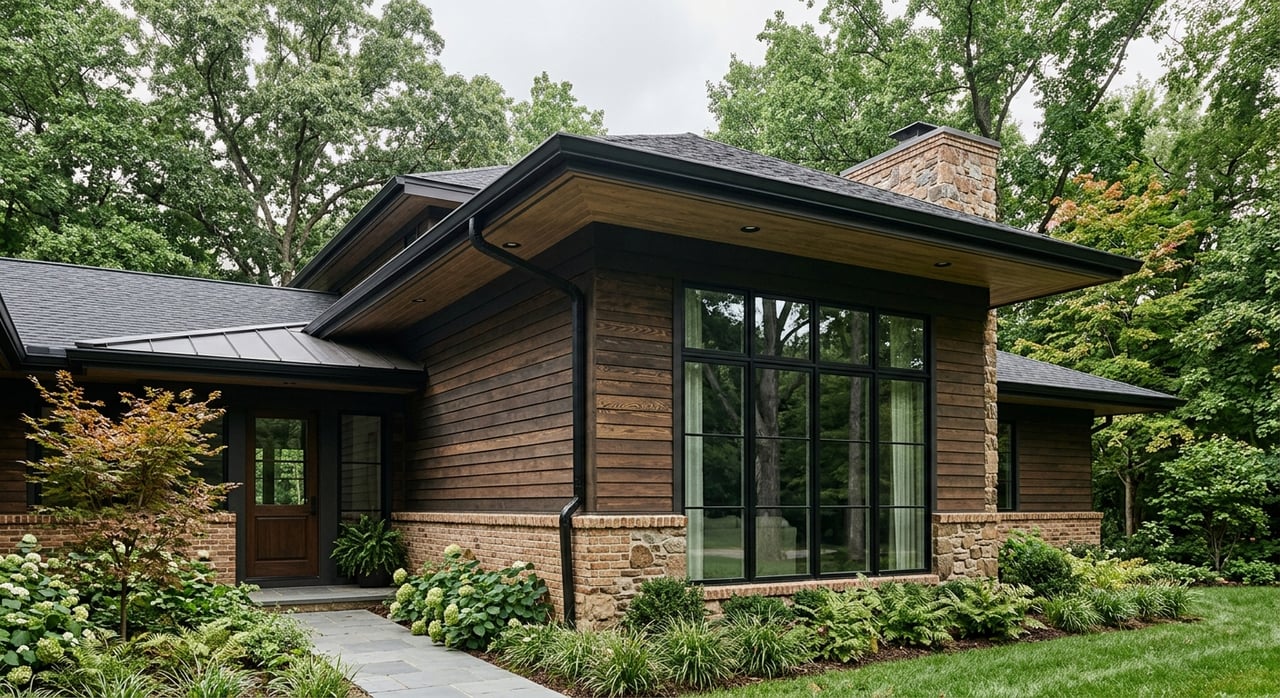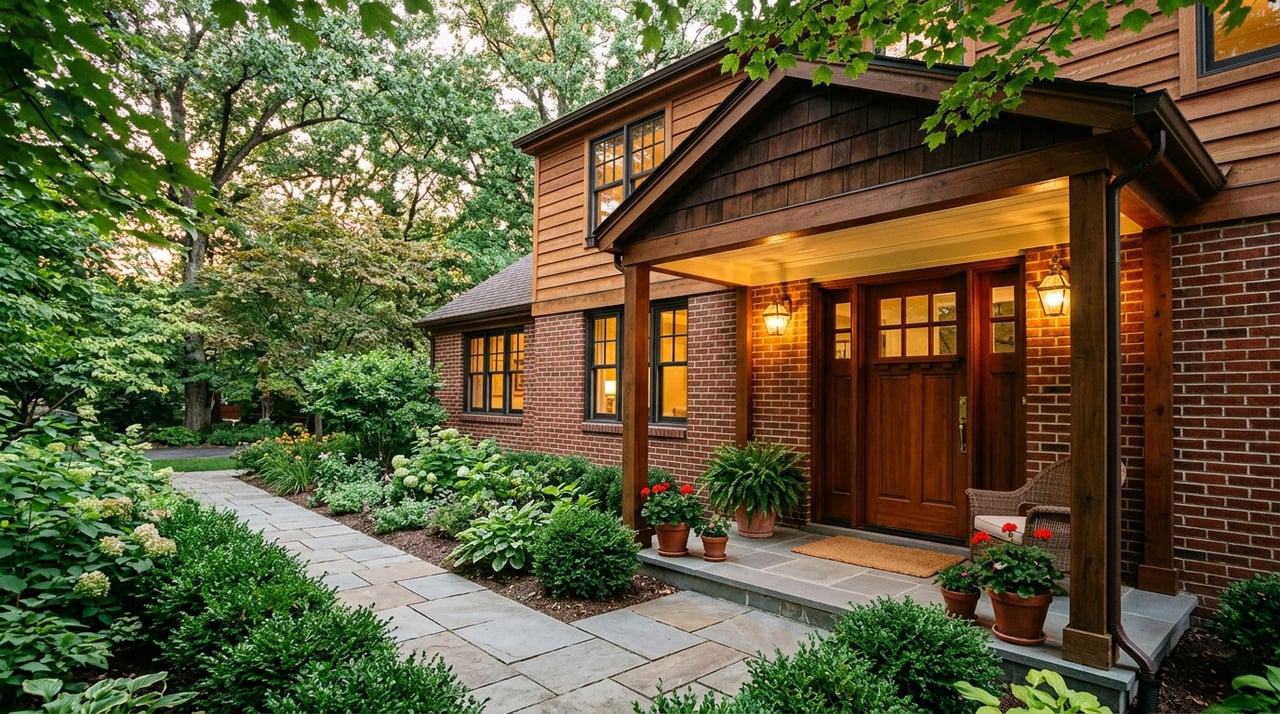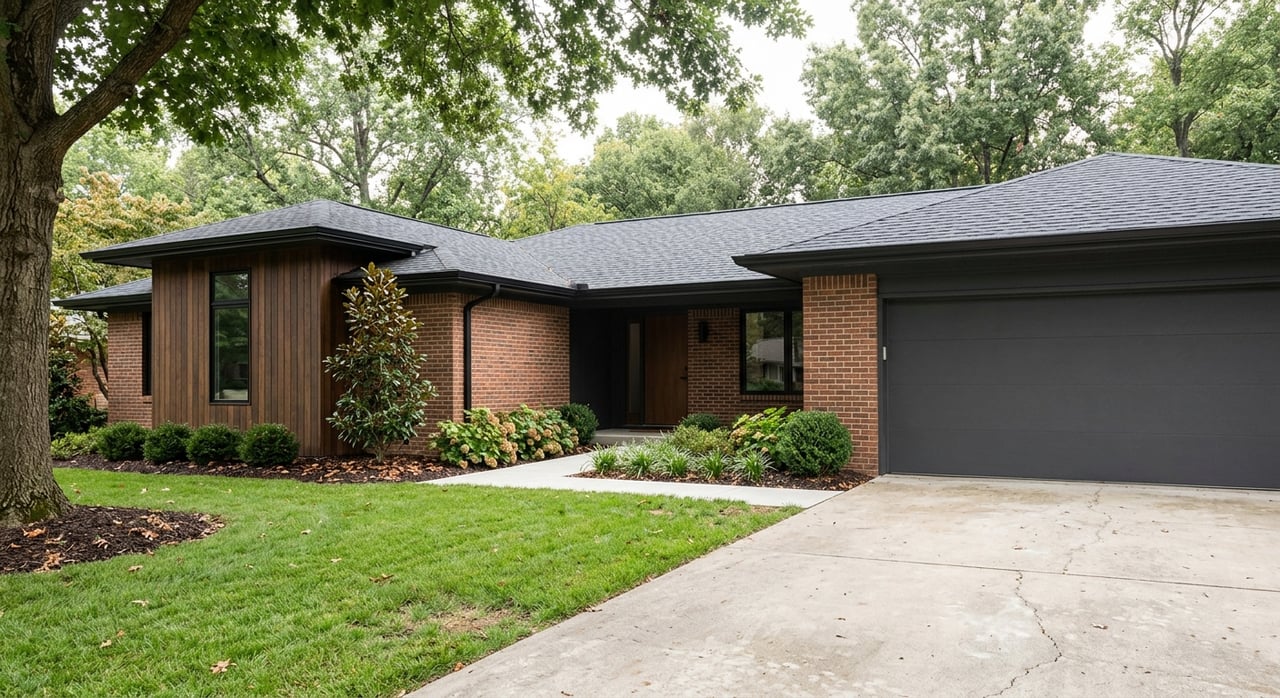
If you are thinking about buying a rental house in Central Arkansas, North Little Rock deserves a serious look. It is not a one-note market built only on renters or only on homeowners, which matters when you are trying to judge long-term demand and resale flexibility. With moderate home values, metro-area job support, and practical rent benchmarks for detached homes, this market can make sense for first-time and experienced investors alike. Let’s dive in.
Why North Little Rock Stands Out
North Little Rock had an estimated population of 64,498 in July 2024, with 31,956 households. The owner-occupied housing rate was 44.6%, which points to a mixed market rather than a rental-only environment. For you as an investor, that can be helpful because single-family homes may appeal to both tenants and future owner-occupant buyers.
The city also sits inside the broader Pulaski County and Little Rock metro economy. Pulaski County had 262,028 covered jobs in September 2025, and average weekly wages reached $1,229 in the third quarter of 2025. That broader employment base supports rental demand beyond the city limits alone.
At the state level, Arkansas’s unemployment rate was 4.3% in March 2026. While no market is risk free, stable employment conditions often matter just as much as property condition when you are underwriting a rental home. In simple terms, your tenant demand is tied to a larger regional economy, not just one neighborhood.
North Little Rock Price and Rent Basics
North Little Rock’s median value of owner-occupied housing units was $178,900, and the median gross rent was $1,069. Those numbers help frame the city as relatively attainable for small investors who want to enter the single-family space without jumping straight into much higher-cost markets.
For rent planning, HUD’s FY 2026 Fair Market Rent schedule for the Little Rock–North Little Rock–Conway area gives useful benchmarks. It lists $1,147 for a 2-bedroom unit, $1,540 for a 3-bedroom unit, and $1,822 for a 4-bedroom unit. These are not promises of what a specific house will lease for, but they can help you build a realistic first-pass rent estimate.
If you are comparing properties, detached 2-bedroom and 3-bedroom homes often deserve extra attention. Those sizes line up well with the published fair market rent benchmarks and may offer a practical balance between purchase price, renovation scope, and tenant demand.
What Makes a Single-Family Rental More Rentable
In North Little Rock, rentability is about more than countertops and paint colors. The city highlights resident services such as utilities, public safety, parks and recreation, public transportation, and the North Little Rock School District. For many renters, daily convenience and commute flow shape decisions before cosmetic finishes do.
Broadband matters too. In the 2020 to 2024 ACS period, 86.6% of North Little Rock households had a broadband subscription. That is a strong reminder that internet access is now part of everyday livability for many tenants.
When you evaluate a house, look at how it functions in real life. A home with solid utility access, practical commuting options, and reliable neighborhood infrastructure may perform better than a prettier house that creates friction for the tenant.
Neighborhood Due Diligence Matters
North Little Rock’s official neighborhood organization list includes areas such as Amboy, Argenta, East Argenta, Baring Cross, Glenview, Holt, Military Heights, Levy, Park Hill, Rose City, Scenic Hill, Stone Links, and Willow Beach Estates. The city also lists a North Little Rock Landlords Association. That local organization structure is a good reminder that submarket differences matter.
For investors, neighborhood due diligence should go beyond a quick map search. Areas with active neighborhood organizations can sometimes give you a better window into upkeep patterns, communication channels, and local concerns that may affect operations over time.
This does not mean one area is automatically better than another. It means you should evaluate each property in its immediate context, including block condition, nearby uses, renovation activity, and how easily you can stay informed after closing.
Historic Homes Can Bring Opportunity and Extra Process
North Little Rock’s history is closely tied to Argenta, and the city maintains a Historic District Commission for neighborhoods, areas, and structures with historic or architectural value. In the Argenta Historic District, exterior building changes, awnings, signage, and exterior construction require approval from the Historic District Commission.
That matters if you are drawn to older single-family homes with character. These properties may have strong visual appeal and tenant interest, but they can also come with added review steps for exterior work.
If a property is in or near a historic area, confirm what you can and cannot change before you set a renovation budget. A house that looks like a cosmetic update on day one can become a more involved project once approvals enter the picture.
Zoning, Permits, and Project Scope
North Little Rock requires building and remodeling permits through the Planning Department. The city also notes that its zoning map is informational only and is not a substitute for an official zoning determination. That is an important detail if you are planning repairs, additions, or layout changes.
The Planning Commission handles zoning changes, special use, and conditional use matters, though its final approval jurisdiction excludes one- and two-family dwelling units. For most single-family investors, that means your project is usually not processed like a larger multifamily or subdivision deal, but you still need to verify local requirements.
A smart approach is to check permits before you finalize numbers for roofs, siding, windows, or major exterior work. If the home is in Argenta, add Historic District Commission review to that checklist.
Property Taxes Should Be Underwritten Carefully
In Arkansas, property taxes are based on market value, with an assessment rate of 20% of true, actual, or market value. The tax due is then determined by applying the prevailing millage rates to the taxable assessed value. Property taxes are locally assessed, administered, collected, and dispensed.
North Little Rock directs owners to the Pulaski County Assessor and Collector for property tax matters. For you, the takeaway is simple: do not treat taxes like a fixed line item copied from an old listing sheet. Recheck them as part of your current underwriting.
This is especially important if you are buying a property that may be reassessed differently after a sale or after improvements. A deal that looks comfortable on paper can tighten quickly if your tax assumptions are stale.
Arkansas Rules That Affect Landlords
Arkansas security-deposit law caps a landlord’s deposit at two months’ periodic rent. The law also requires the security deposit to be returned within 60 days after tenancy termination, subject to itemized deductions for unpaid rent and damages.
For a single-family investor, that makes documentation a big deal. Clear move-in photos, a detailed condition record, and organized lease files can save time and reduce conflict at move-out.
Operational discipline matters just as much as finding the right purchase. If you plan to hold rentals long term, simple systems often protect your returns better than flashy upgrades.
Long-Term Rental Versus Short-Term Rental
If you are considering a short-term rental strategy, know that North Little Rock treats that differently from a standard long-term lease. The city says lodging businesses, including home vacation rentals, must obtain a general business privilege license and an Advertising & Promotion permit.
That means your math may change depending on your intended use. Licensing, compliance, and operating style can all shift the risk and return profile of the property.
If your goal is stable, year-round income, a conventional long-term single-family rental may offer a more straightforward path. If you are exploring short-term use, confirm requirements and costs before you assume higher revenue will translate into better performance.
A Practical First-Pass Buying Checklist
Before you make an offer on a North Little Rock single-family investment, focus on the items that most often change the numbers:
- Confirm the property’s neighborhood context and nearby housing pattern
- Estimate rent using local comparables and published fair market rent benchmarks
- Recheck property taxes through Pulaski County sources
- Verify zoning and permit requirements with the city
- Check whether the property falls within a historic review area
- Budget for internet, utilities, and everyday livability features that affect rentability
- Build a realistic repair scope before assuming cosmetic-only rehab
- Match the property to your intended strategy, whether long-term rental or short-term rental
A careful buy usually beats a fast buy. The more clearly you understand the neighborhood, compliance steps, and operating costs up front, the better your odds of owning a rental that performs the way you expect.
Final Thoughts on Investing Here
North Little Rock offers a compelling mix for single-family investors: moderate housing values, a broad metro employment base, and practical demand drivers tied to everyday livability. It is also a market where details matter, especially at the neighborhood level.
If you want to invest here wisely, the best move is to stay grounded in local facts. Tax modeling, permit checks, historic-district review, and block-by-block property selection can have a bigger impact on outcomes than a headline price alone.
That is where local guidance can make a real difference. If you want help evaluating neighborhoods, comparing opportunities, or building a smarter acquisition plan in North Little Rock, connect with Will Smith.
FAQs
What makes North Little Rock attractive for single-family investing?
- North Little Rock combines moderate home values, a mixed owner-renter housing profile, and support from the larger Little Rock metro job base, which can help support rental demand and future resale options.
What rent benchmarks should you use for North Little Rock houses?
- A useful starting point is HUD’s FY 2026 Fair Market Rent schedule for the local area, which lists $1,147 for 2-bedroom units, $1,540 for 3-bedroom units, and $1,822 for 4-bedroom units.
What should you check before renovating a North Little Rock rental home?
- You should confirm permit requirements through the city, verify zoning through official channels, and check whether the property is in Argenta or another area where historic review may affect exterior work.
How are property taxes calculated for North Little Rock investment property?
- In Arkansas, taxes are based on market value, assessed at 20% of that value, and then multiplied by local millage rates, so you should verify current tax information with Pulaski County before closing.
What does Arkansas law say about rental security deposits?
- Arkansas law caps a security deposit at two months’ periodic rent and generally requires return within 60 days after tenancy ends, subject to itemized deductions for unpaid rent and damages.
Do short-term rentals follow different rules in North Little Rock?
- Yes. The city says lodging businesses, including home vacation rentals, must obtain a general business privilege license and an Advertising & Promotion permit.