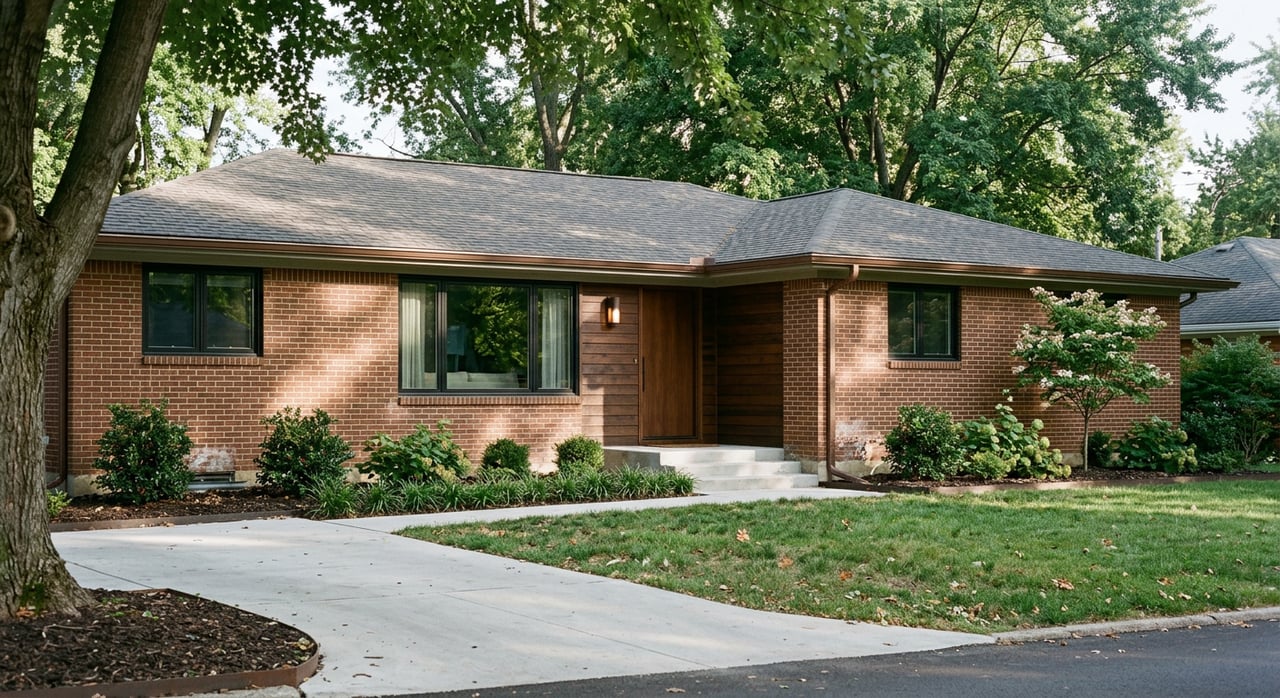
Wondering if Midtown Little Rock is the right place for your first home? You want convenience, character, and a price that makes sense without giving up your weekend to long drives. In this guide, you’ll see what homes cost today, what to look for in classic Midtown ranch houses, and how to compare blocks for lifestyle and commute. You’ll also get a simple plan to go from research to keys. Let’s dive in.
Why Midtown fits first-time buyers
Midtown blends city access with neighborhood comfort. You’re close to Park Plaza and MidTowne shopping, the Little Rock Zoo, and the War Memorial complex, plus everyday retail along Markham and University. For a quick feel of the area’s anchors and history, explore this overview of Midtown’s character and amenities from the Metro Little Rock guide.
Walkability varies by block. Some addresses score moderately and have bus access along major corridors, while others lean car‑first. If you want coffee and shops nearby, focus on homes near Markham or Kavanaugh and review the Walk Score for a Midtown location to compare addresses.
What homes cost in Midtown
Public portals place Midtown’s typical home value around 250,000 to 265,000 dollars, with price per square foot often in the mid 130s based on recent reporting windows. Active inventory tends to be modest, and median days on market often runs from the mid 30s to the mid 50s depending on season and interest rates. Midtown generally sits below the highest priced close‑in areas and above some outlying pockets, which reflects the age of housing, lot sizes, and renovation levels on a given block.
Portals can disagree on the exact median because they use different boundaries and time frames. When you are ready to make offers, lean on recent MLS sold comps and price per square foot to compare apples to apples.
Common Midtown home types
Midtown ranch basics
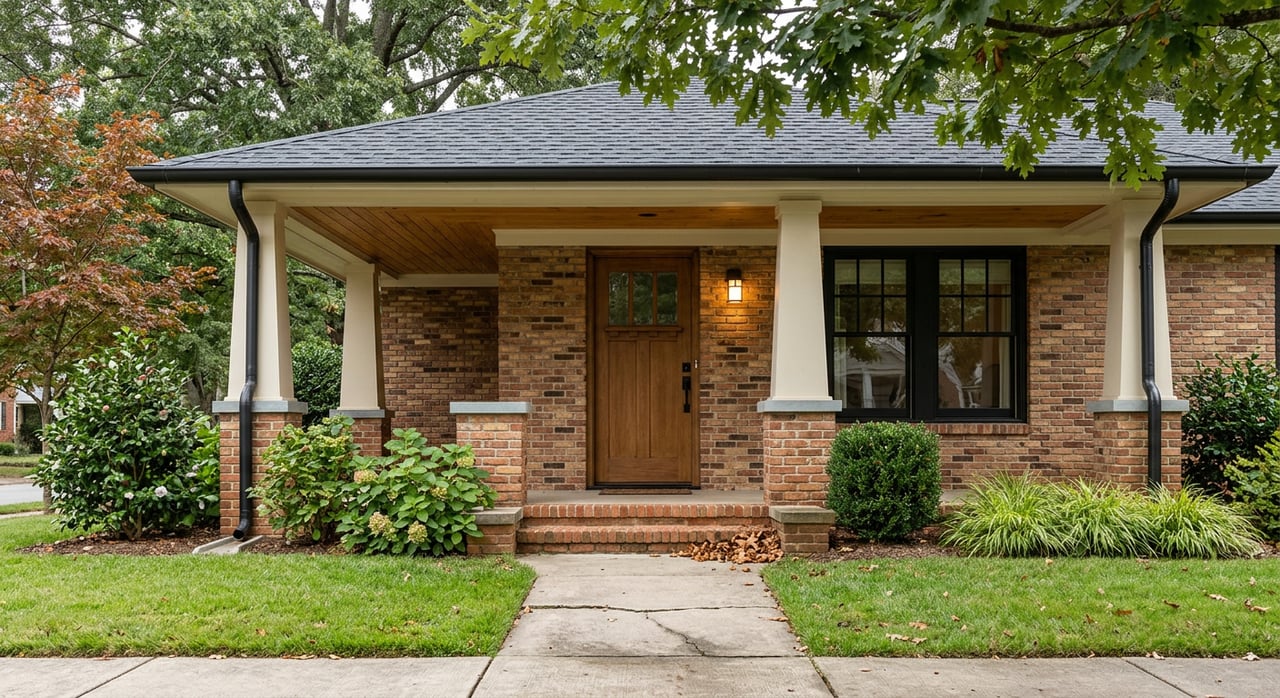
You’ll see many one‑story ranch and mid‑century brick homes built from the 1950s to the 1970s, along with modest bungalows and some small multifamily near shopping nodes. Typical ranch layouts offer 2 to 3 bedrooms, slab or pier‑and‑beam foundations, original hardwoods, and mature trees. Learn more about Midtown’s housing mix and setting from the Metro Little Rock guide.
Inspection checklist for ranch homes
Older homes can be a great value if you know where to look. Use this checklist to sort move‑in ready houses from projects and to plan smart negotiations.
Foundation and drainage. Arkansas soils can move with moisture, which may lead to uneven floors, wall cracks, or sticky doors. Ask for any repair documentation and, if you see structural red flags, get a specialist opinion beyond a general inspection. These seasonal movement risks are common in the region, as noted in guidance on Arkansas foundation maintenance.
Roof and water control. Verify the roof age and condition, and confirm gutters, downspouts, and grading move water away from the house. Water is a top long‑term cost driver in older homes. Price replacements or repairs into your offer strategy.
Electrical service and safety. Many mid‑century homes have aging panels or wiring not sized for modern loads. Confirm service amperage, look for signs of aluminum wiring or DIY work, and ask your inspector if an electrician’s evaluation makes sense.
Plumbing and water systems. Older galvanized pipes can corrode and restrict flow, and some later materials have known issues. Check visible plumbing, water pressure, and the age of the water heater. Budget for selective repiping if systems are original.
HVAC. Verify the system’s age, last service date, and sizing for the home. Replacement of equipment and ductwork is a common mid‑cost upgrade in older properties.
Termites and wood‑destroying insects. Arkansas has active termite populations. A wood‑destroying insect inspection is a smart add‑on for older houses. The University of Arkansas Extension tracks termite activity statewide and is a helpful reference.
Lead‑based paint. For homes built before 1978, federal rules require disclosure and give you the right to test. Ask for any testing records and consider targeted testing if you plan to renovate. Review the summary of federal lead disclosure guidance for buyers.
Asbestos‑containing materials. Some pre‑1980 materials like 9‑inch vinyl tiles, pipe insulation, and certain textured coatings can contain asbestos. If you plan updates, test suspect materials first and use licensed pros if removal is needed. The EPA’s homeowner guidance explains safe management.
Radon. Radon levels vary by soil and structure. The EPA recommends testing any home. Add a short‑term test during due diligence and plan for mitigation only if levels are elevated.
Sewer lateral and trees. Older neighborhoods may have clay or cast‑iron laterals that are vulnerable to root intrusion. A pre‑closing sewer scope is a wise add‑on, especially on treed lots.
Moisture and indoor air. Little Rock’s humid climate means you should check attics, crawlspaces, and baths for moisture and ventilation issues. If past water events are disclosed or odors are present, consider targeted mold sampling. The EPA’s healthy homes resources outline common moisture concerns.
Costs for add‑on inspections vary by provider, but many buyers in Arkansas budget for a termite report, radon test, and, on older homes, a sewer scope. Your inspector can advise on any additional trade specialists.
Commute and lifestyle tradeoffs
Living in Midtown puts you closer to downtown, medical centers, and UALR, and within minutes of Park Plaza and big‑box shopping. That convenience can mean heavier traffic on Markham and University during peak times, and more activity around events at War Memorial. If you want a car‑light lifestyle, the most walkable pockets are closer to Hillcrest or downtown. If you want a yard and single‑story living near shopping, Midtown offers a practical balance.
To compare specific addresses, review the Walk Score for a Midtown location and drive your likely route during your normal commute window.
Taxes and budget planning
Pulaski County’s effective property tax rates are generally below national averages. For planning, expect an effective range near 0.65 to 0.85 percent of market value, then confirm the exact millage with the county when you pick a property. A Pulaski County property tax guide is a helpful starting point for budgeting.
Step‑by‑step buying plan
Define your must‑haves. Decide on yard size, single‑story needs, target commute, and any accessibility or renovation preferences. List nice‑to‑haves like walkable coffee or nearby parks.
Get pre‑approved. Set a budget that includes taxes and insurance. Use a Pulaski County tax guide to model monthly payments realistically.
Study sold comps. Use recent MLS sales, not just portal snapshots. Compare price per square foot and renovation level to set expectations before you tour.
Shortlist blocks and visit at different times. Check traffic, noise, parking, and overall activity during morning, evening, and weekends.
Order smart inspections. For older ranches, plan on termite, radon, and a sewer scope. Add lead and asbestos testing if the home predates 1978, and ask your inspector if an electrician or plumber should take a closer look.
Check parcel‑specific data. Review the FEMA Flood Map Service Center for the exact address. Verify assessed values and millage with the county, and use city resources for historic or preservation context if you plan exterior changes.
Budget for common upgrades. Roof, HVAC, water heater, kitchen and bath updates, and selective plumbing or electrical work are typical mid‑life items in homes from the 1950s to 1970s.
Negotiate with findings in mind. Use repair requests or credits for foundation, water, or hazardous‑materials issues, and set clear timelines for any agreed work.
Ready to tour Midtown homes?
If Midtown fits your goals, you do not have to navigate it alone. With hands‑on guidance, neighborhood context, and a network of trusted lenders, inspectors, and contractors, you can move from search to close with confidence. To get a tailored Midtown game plan or to start touring, reach out to Will Smith.
FAQs
What is a typical home price in Midtown Little Rock?
- Public portals often place the typical value around 250,000 to 265,000 dollars, with exact figures changing month to month and by data source.
Are Midtown Little Rock homes walkable to shops and transit?
- Walkability varies by block, with moderate Walk Scores near major corridors and limited but usable bus service along main routes.
Which inspections matter most for older Midtown ranch homes?
- Prioritize foundation and drainage, roof and water control, electrical and plumbing systems, termite and radon checks, and a sewer scope on treed lots.
Is radon a concern for Midtown homes in Arkansas?
- The EPA advises testing any home regardless of zone, so add a short‑term radon test during your due diligence.
Do I need a termite inspection in Little Rock?
- Yes, a wood‑destroying insect inspection is recommended since Arkansas has active termite populations and ongoing monitoring statewide.