Thinking about selling your Pleasant Valley home but not sure when to make your move? You are not alone. Timing affects everything from the number of showings to the offers you receive and how smoothly your sale lines up with your next purchase. In this guide, you will learn the best months to list in Pleasant Valley, how local seasons shape buyer behavior, a simple spring prep timeline, and key tips if your home sits near a golf course. Let’s dive in.
Best listing windows in Pleasant Valley
When you list can be just as important as how you list. In Pleasant Valley and the greater Pulaski County area, buyer activity follows predictable seasonal rhythms shaped by the temperate Arkansas climate and local school calendars.
Spring: late February through May
This is the prime window for most Pleasant Valley homes. Warmer weather boosts curb appeal, daylight stretches showings into the evening, and many families aim to close before the next school year. Tax refunds can also increase buyer liquidity. If you want both strong traffic and a competitive pool of buyers, targeting late February through May is often your best bet.
Early fall: mid-September through October
If spring does not fit your plans, early fall can be an excellent backup. Buyers who missed spring re-enter the market, fall landscaping looks great, and some shoppers aim to buy before year-end for relocation or tax timing. You can still create urgency and a clean runway to close before the holidays.
Windows to avoid if possible
Late July through August often brings a lull due to peak heat, vacations, and back-to-school schedules. Mid-December through January is typically the slowest period of the year as holidays and winter weather reduce showings. If you must list then, plan for fewer, but often more serious, buyers.
Who buys when in Pleasant Valley
Different buyer groups tend to be more active at different times of year. Planning your launch with these patterns in mind can help you tailor your marketing and staging.
- Spring: The largest mix of buyers. Families planning a summer move, first-time buyers, and relocation shoppers are active. Competition among buyers is strongest.
- Early summer: Activity can stay high but becomes more selective as vacations ramp up. Outdoor features still matter, but heat can limit evening showings.
- Late summer: Many buyers pause for travel and school prep. If you list now, emphasize convenience and move-in readiness.
- Fall: Motivated buyers return, including move-up shoppers who delayed from spring. Some are deadline driven before year-end.
- Winter: Fewer showings, but buyers tend to be serious. Relocations, investors, and job-driven moves stand out.
Move-up demand and timing
Pleasant Valley sees steady move-up demand, especially among households seeking 3 to 5 bedrooms, larger yards, and garages. Families often prefer spring or early summer to align with school schedules. Employment-driven moves across the Little Rock metro also contribute to buyer traffic.
If you plan to both sell and buy, spring usually offers the best balance of strong buyer competition for your current home and more inventory to choose from for your next one. Discuss options like contingencies, rent-backs, or short-term housing so you can protect your timing and negotiating position.
Your spring prep timeline
To launch during the prime spring window, start early. Working backward keeps you on track and reduces stress.
12–16+ weeks before listing
- Handle major repairs: roof, structural items, and HVAC servicing.
- Plan landscaping updates and any tree trimming that needs advance scheduling.
- Order permits if needed and confirm contractor timelines.
6–8 weeks before listing
- Complete cosmetic updates: neutral paint, flooring touch-ups, clean or regrout tile, refresh cabinet hardware.
- Declutter and depersonalize rooms. Consider off-site storage for overflow.
- Meet with a professional stager or set a DIY plan, room by room.
3–4 weeks before listing
- Deep clean the entire home. Schedule window washing.
- Consider a pre-listing inspection for older homes or those with deferred maintenance.
- Book photography for when your lawn and beds look their best.
1 week before listing
- Finish landscaping and exterior touch-ups.
- Stage beds and living areas. Remove personal items and medications.
- Set a comfortable thermostat for showings and arrange pet plans.
Launch week and first two weeks
- Lean into maximum visibility with showings and open houses.
- Collect feedback quickly and adjust small items as needed.
- Respond to interest and offers promptly while activity is highest.
Staging essentials checklist
Staging helps buyers imagine living in your home. Use this simple checklist to focus on what matters most.
- Curb appeal: Fresh mulch, trimmed edges, tidy beds, clean front door hardware, and power-washed walks.
- Entry and living spaces: Declutter, remove personal photos, arrange furniture to improve flow, and clear pathways.
- Kitchen and baths: Clean grout, refresh caulk, keep counters minimal, and use fresh, neutral textiles.
- Bedrooms: Light linens, limited furniture to emphasize space, and neat closets with room to spare.
- Lighting and HVAC: Open blinds for natural light, replace bulbs, and ensure HVAC is serviced.
- Odors: Avoid heavy fragrances. Neutralize pet odors and keep it fresh but subtle.
- Safety and fixes: Quiet squeaky hinges, tighten handrails, and address small leaks or sticky doors.
- Photo readiness: Move cars from the driveway, hide trash cans, and simplify surfaces.
Golf-course proximity tips
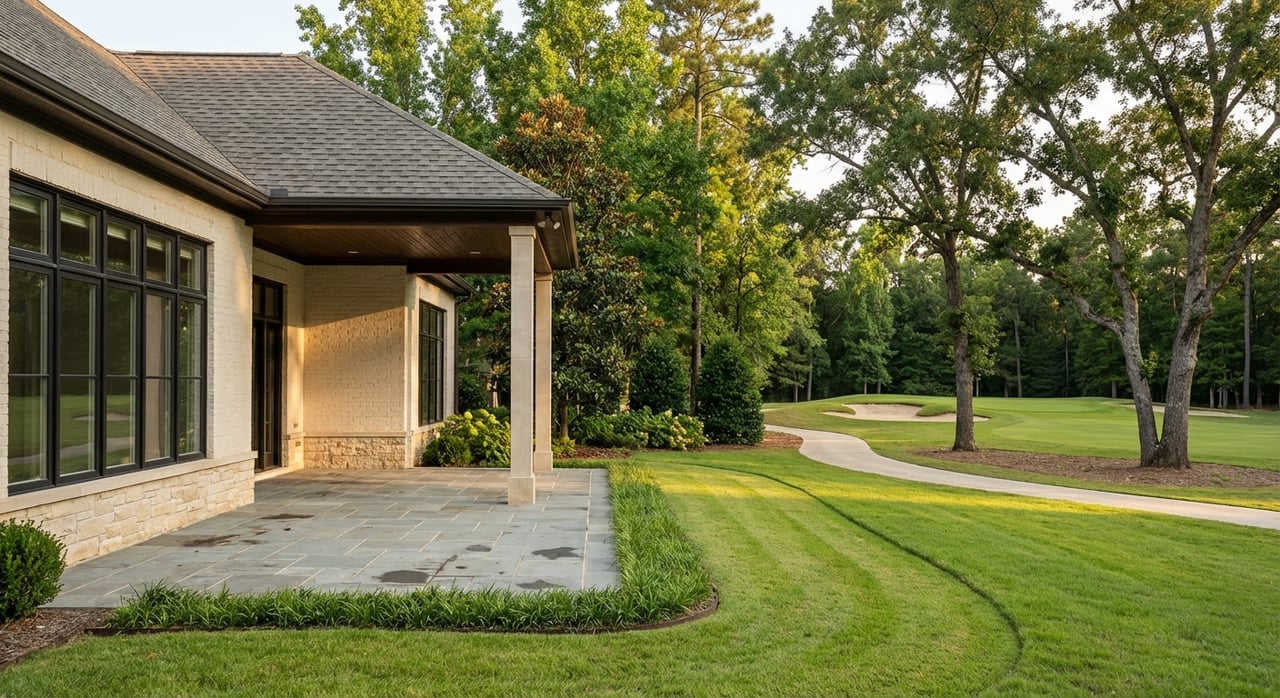
Pleasant Valley’s proximity to golf can be a selling point. Many buyers value green views, open space, and easy access to recreation. You can lean into that, while also addressing common questions.
Advantages to highlight
- Views and privacy: Unobstructed vistas and fewer direct neighbors can draw buyers.
- Lifestyle: Course access and a sense of community appeal to many.
- Resale support: Well-maintained clubs and courses tend to sustain desirability.
Common buyer concerns
- Noise and traffic during tournaments or peak play.
- Errant balls and potential for damage. Some buyers ask about screens or landscaping.
- Any HOA or course rules and fees that affect daily use.
- Early-morning maintenance and occasional fertilizer smells.
Showing and marketing best practices
- Scheduling: Avoid peak event times and morning groundskeeping when possible. Check the course calendar before open houses.
- Staging: Arrange outdoor seating to frame views. Show how landscaping adds privacy.
- Disclosures: Be transparent about any known course-related incidents, and share accurate information about any HOA or course rules.
- Pricing: Compare recent golf-view and non-golf-view sales in the same subdivision to gauge any premium.
Pricing and launch strategy
Timing sets the stage, but pricing wins the audience. Use recent local comparable sales to set a realistic list price. In peak spring windows, stronger buyer competition can support better pricing, but the exact figure should be driven by up-to-the-week neighborhood data, days on market, and absorption by price band.
Coordinate your photography with curb appeal. If your lawn is greening up or beds are freshly mulched, schedule photos to capture it. Plan your open houses around school calendars and any local events that might limit traffic. During hotter summer weeks, consider earlier evening showings to beat the heat.
When your timeline is fixed
Life does not always line up with the calendar. If you need to sell in late summer or winter, focus your strategy on buyer motivation and convenience. Emphasize move-in readiness, flexible showing hours, and clear information on utilities and maintenance. Expect fewer showings, but partner with your agent to engage the serious buyers who are still out looking.
What to watch locally
- School calendars: Families often plan around the academic year. Align your closing timeline to that rhythm when possible.
- Inventory and days on market: Neighborhood-level trends help confirm whether your target week will draw strong traffic or simply more showings.
- Community and course events: Avoid launching on weekends that will pull buyers away from open houses.
The bottom line for Pleasant Valley sellers
For most homes in Pleasant Valley, the strongest listing window is late February through May, with a solid secondary option in mid-September through October. Start repairs and landscaping a few months in advance, lock in staging and photography a few weeks before launch, and use local comps to set pricing that captures demand without leaving money on the table. If you are selling near a golf course, plan your showings around play times, highlight the views, and be prepared to answer common questions with clarity.
If you want a plan that accounts for your exact goals and timing, reach out. At Will Smith Realty, you get principal-level guidance, neighborhood expertise across Little Rock, and coordinated support with lenders, contractors, staging, and premium marketing for qualifying listings.
Ready to talk strategy for your home in Pleasant Valley? Connect with Will Smith for a clear plan, expert pricing, and a seamless launch.
FAQs
What is the best month to list a Pleasant Valley home?
- Late February through May is typically the strongest window, with mid-September through October as a solid backup.
Is fall a good time to sell in Pleasant Valley if I miss spring?
- Yes, early fall often brings motivated buyers who paused over summer and want to close before year-end.
How far in advance should I prep for a spring listing in Pleasant Valley?
- Start major repairs and landscaping 12 to 16 weeks out, then finish cosmetic updates and staging in the final 2 to 8 weeks before launch.
How do school calendars influence Pleasant Valley listing timing?
- Many families aim to buy and close before the new school year, which helps drive strong spring demand and a secondary early-fall push.
What should I know about selling a Pleasant Valley home near a golf course?
- Highlight views and access, schedule showings around course events, disclose relevant rules or incidents, and price using recent golf-view and non-golf comps.