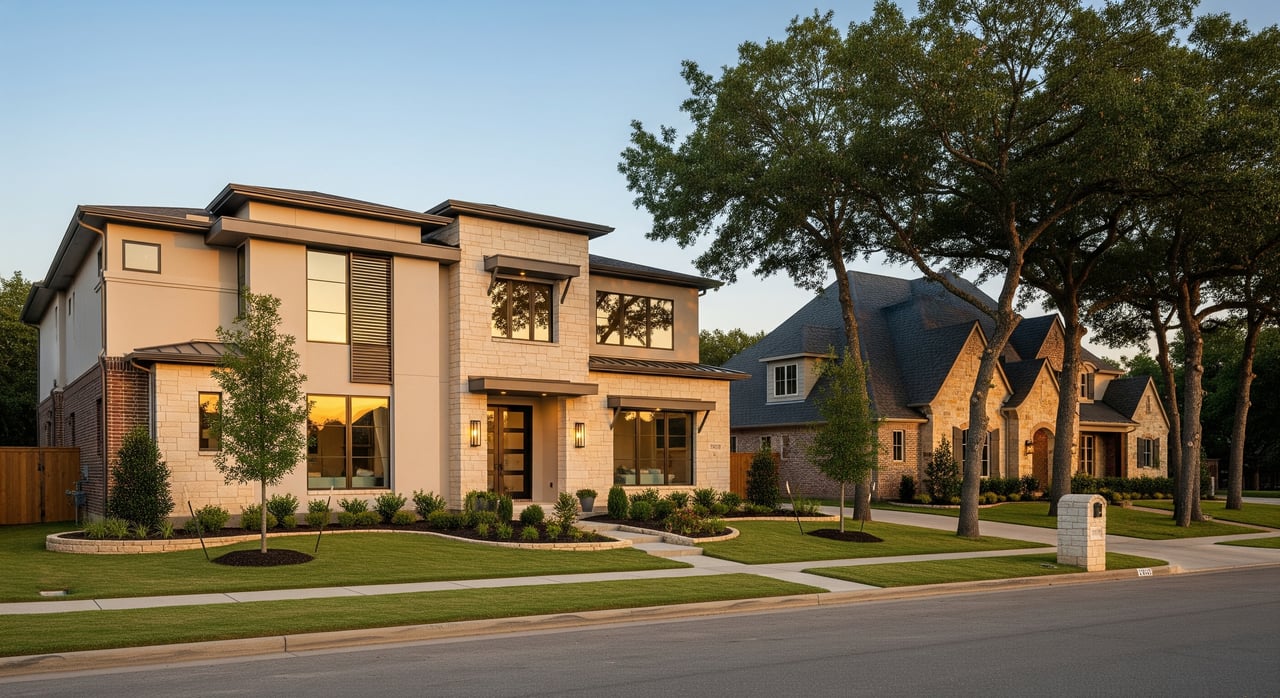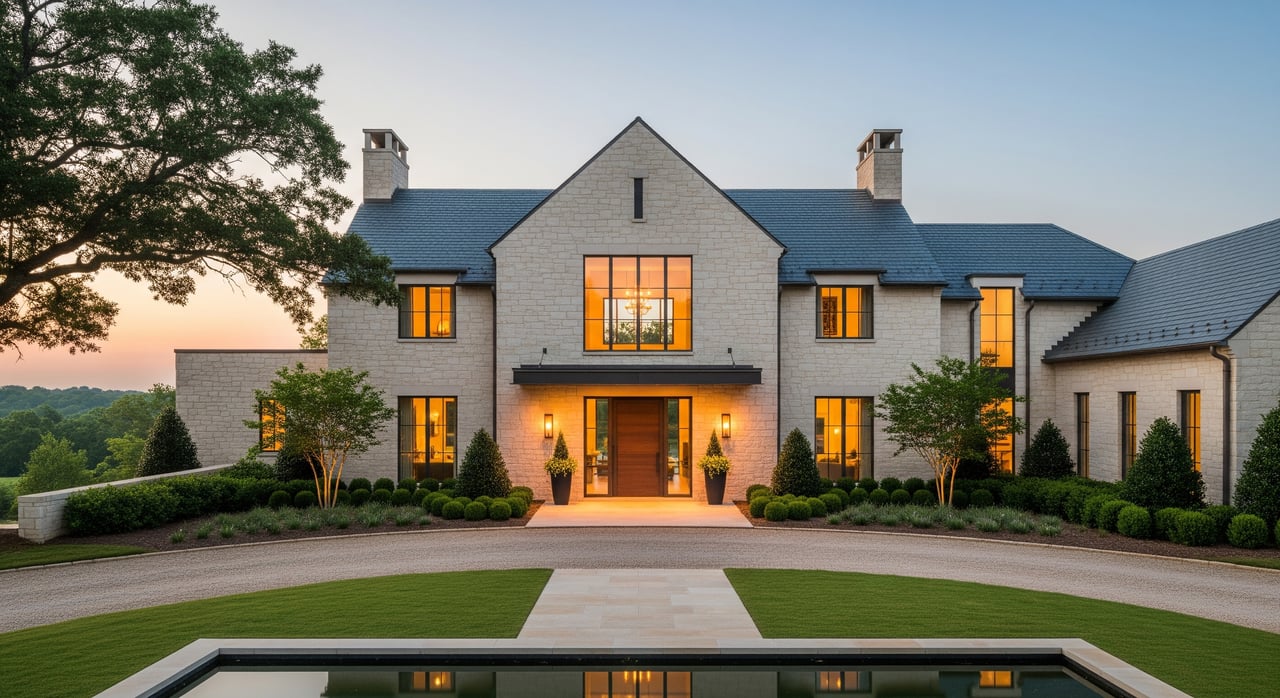
Bidding wars in Chenal Valley can move fast. You win the offer, the appraisal arrives lower than the price, and suddenly your financing does not stretch as far as you planned. If that sounds stressful, you are not alone. Appraisal gaps are common in competitive West Little Rock neighborhoods, and you can navigate them with a clear plan. In this guide, you will learn what an appraisal gap is, why it happens in Chenal Valley, how it affects your loan, and what you can do about it as a buyer or seller. Let’s dive in.
What is an appraisal gap?
An appraisal is a licensed appraiser’s professional opinion of value on a specific date, ordered by your lender to support the mortgage. It is different from a home inspection or a tax assessment.
An appraisal gap happens when the contract price is higher than the appraised value. Because lenders typically underwrite to the lesser of the purchase price or the appraised value, a low appraisal creates a funding shortfall that must be covered, negotiated, or the deal may cancel if the contract allows.
Why gaps happen in Chenal Valley
Chenal Valley and nearby West Little Rock neighborhoods can see strong buyer demand and limited inventory. Multiple offers can push prices above recent comparable sales. When the latest closed comps lag the current market, appraisals may not keep pace.
Custom homes, gated sections, view lots, and unique renovations are common in parts of Chenal Valley. These features reduce the number of true comparables, which can increase appraisal variance. Rapid price changes over a short period can also widen the gap between closed sales and today’s contract price.
Price-band risk in Chenal Valley
- Entry to moderate price points: More comparable sales are available, so appraisals often track the market more closely.
- Mid price band: Appraisals are usually steady, but bespoke upgrades or lot premiums can create variance.
- Upper and luxury: Larger lots, custom builds, and limited comps make valuations more subjective. Appraisal gap risk is typically highest here.
How a low appraisal affects your loan
Most lenders size your loan using the lower number: the appraised value or the contract price. If your appraisal comes in low, the approved loan amount shrinks and you must address the shortfall.
Here is a simple example for context:
- Contract price: 600,000 dollars
- Appraised value: 565,000 dollars
- Gap: 35,000 dollars
- If the loan is set at 80% of appraised value, the loan would be 452,000 dollars (0.80 × 565,000). If you expected 480,000 dollars (0.80 × 600,000), you are short 28,000 dollars. You would need to bring additional cash, renegotiate the price, or cancel if your contract has an appraisal contingency.
Buyer strategies to bridge a gap
You have options. The right move depends on your finances, your contract terms, and the seller’s priorities.
- Increase cash to close. Bring additional funds to cover the difference between the appraised value–based loan and the contract price.
- Add appraisal gap coverage. Include a clause stating you will cover the difference up to a specific dollar cap. This makes your offer stronger while limiting your exposure.
- Keep the appraisal contingency. If the appraisal is low, you can renegotiate or cancel within the contingency period.
- Waive the appraisal contingency. This can win a competitive situation but increases risk. Only consider this with strong financial capacity and guidance from your lender and advisor.
- Request a lender reconsideration of value (ROV). If the report missed relevant Chenal Valley comps or includes factual errors, your lender can ask the appraiser to review additional data.
- Ask for a price reduction or seller credit. In some cases the seller will adjust to keep the deal together.
- Explore a second appraisal. Some lenders or investors may allow this, but it is not always permitted and adds cost.
- Ask about appraisal alternatives. Automated waivers or hybrid/desktop products are file specific and more common with certain conventional loans, but they are less likely for unique or high-end homes.
Seller strategies to prevent or handle gaps
A proactive approach can reduce surprises and protect your net proceeds.
- Price with the appraisal in mind. Work from the most recent and relevant local comps. Be thoughtful with premiums for unique features.
- Consider a pre-listing appraisal or broker price opinion. This helps you set a realistic list price and anticipate risk.
- Prepare an appraiser packet. Provide recent comps, upgrade documentation, floor plans, permits, HOA details, lot dimensions, and notes on neighborhood amenities.
- Evaluate financing strength. Offers with higher down payments, cash, or buyers with gap coverage are less likely to fall apart due to a low appraisal.
- Negotiate gap terms upfront. If a buyer includes an appraisal gap addendum with a clear cap, you will know how a shortfall will be handled.
- Rare option: seller coverage. You can agree to reduce price or offer credits if the appraisal is short, but this lowers net proceeds.
Lender rules and appraisal alternatives
Most conventional loans follow investor guidelines such as Fannie Mae and Freddie Mac. These loans usually require an appraisal unless an appraisal waiver or approved alternative applies. FHA and VA loans have program-specific appraisal rules and typically require full appraisals meeting their standards.
Appraisal waivers or desktop appraisals are not guaranteed. Availability depends on the automated underwriting result, property type, and loan features. Unique or luxury Chenal Valley homes are less likely to qualify for a waiver. Ask your lender early about the likely appraisal path and whether your file could be eligible.
What to do when the appraisal is low
Follow a simple, calm process.
- Review the report carefully. Confirm property data, square footage, bedroom and bathroom counts, and included comps.
- Call your lender and agent. Map out the shortfall and your options within your contract timelines.
- Gather better comps. If the report missed relevant Chenal Valley sales, prepare a reconsideration of value request.
- Negotiate with the seller. Price reduction, credit, or splitting the difference are common.
- Decide on cash. If you planned for a gap, move forward confidently. If not, revisit your budget.
- Consider a second opinion. Ask if a second appraisal is possible under the lender’s rules.
Checklists for Chenal Valley buyers and sellers
Buyer checklist
- Get fully pre-underwritten, not just pre-qualified.
- Ask your lender if an appraisal waiver or alternative is possible for your file.
- Budget extra cash for a potential gap, especially in luxury or unique sections of Chenal Valley.
- If offering above list, include a written gap plan with a clear cap.
- On receipt of the appraisal, verify data and comps, then decide on ROV, renegotiation, or cash.
Seller checklist
- Request a competitive market analysis and consider a pre-listing appraisal.
- Prepare an appraiser package: comps, upgrade receipts, permits, HOA info, and floor plans.
- Prioritize buyers with strong financing or documented gap coverage.
- Set realistic expectations for unique lots, gated sections, or custom finishes.
Local data and trusted partners
For current comps and market context, your best sources are the Little Rock MLS, the Pulaski County Assessor for property records, and market reports from the Arkansas Realtors Association. An experienced local lender can explain appraisal timelines, ROV steps, and any appraisal alternatives available for your loan type. Appraisers who work Chenal Valley regularly can better match gated sections, lot premiums, and finish levels.
When to loop us in
You do not have to navigate an appraisal gap alone. If you are weighing an offer strategy, preparing an appraiser packet, or deciding how to respond to a low valuation, a calm, data-driven plan matters. Reach out early for guidance tailored to Chenal Valley and West Little Rock. Connect with Will Smith to align your financing, comps, and negotiation strategy before you write or accept your next offer.
FAQs
What is an appraisal gap in a Chenal Valley home purchase?
- It is the difference between your agreed price and the lower appraised value, which creates a funding shortfall because lenders size loans to the lesser of price or appraised value.
How does a low appraisal change my down payment in Little Rock?
- Your approved loan amount drops, so you either bring more cash to close, renegotiate price or credits, seek a reconsideration of value, or cancel if your contract allows.
Can I get an appraisal waiver for a Chenal Valley property?
- Some conventional loans may receive automated waivers, but availability is file specific and less common for unique or high-end homes; ask your lender early.
What if the appraiser missed upgrades or key comps in West Little Rock?
- Work with your agent and lender to submit a reconsideration of value with better comps, corrected data, and documentation of recent renovations.
Do FHA or VA loans handle low appraisals differently in Pulaski County?
- FHA and VA have program-specific appraisal rules and typically require full appraisals; if the value is low, lenders still base the loan on that value, so you must address the shortfall.