Trying to decide whether to build new or buy an existing home in Chenal Ridge? You are not alone. Buyers in West Little Rock often weigh speed and convenience against personalization and long-term value. In this guide, you will get a clear comparison of timelines, costs, warranties, design control, and resale so you can choose with confidence. Let’s dive in.
New vs existing: the quick take
If you value speed and predictability, an existing home or a move-in ready spec home usually wins. If you want control over layout and finishes, a new build can deliver, but it may take longer and cost more after upgrades.
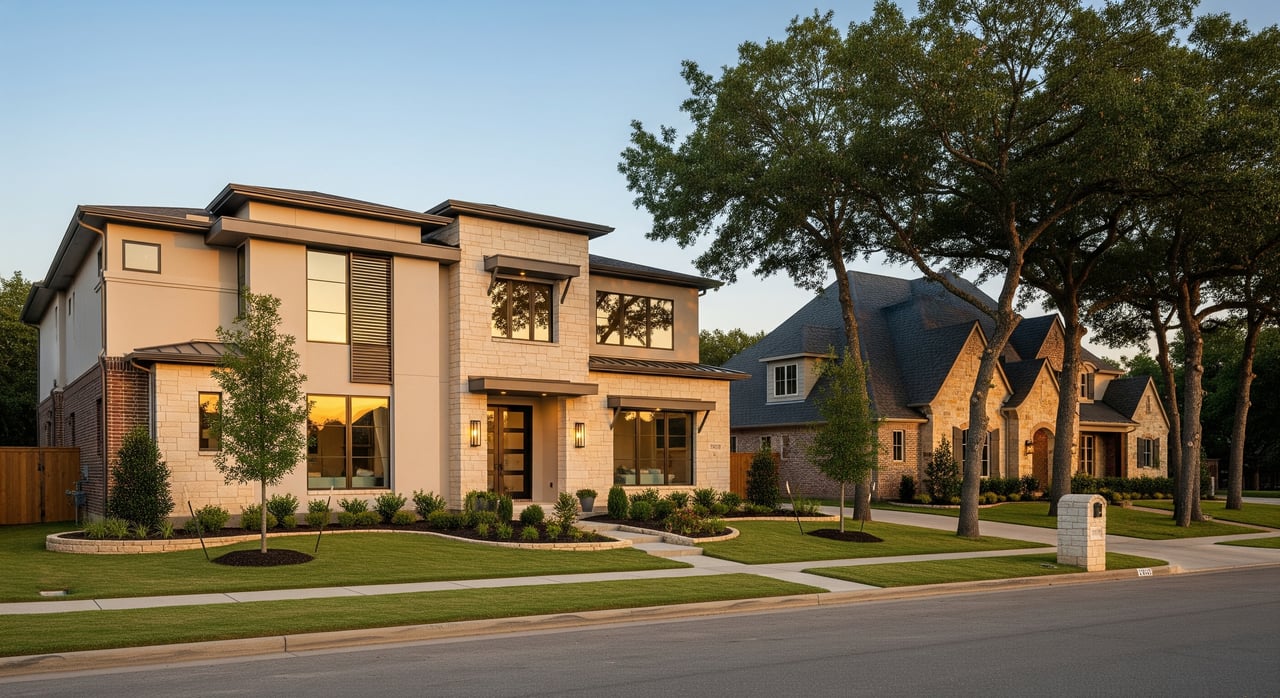
- Choose new construction if you want modern systems, energy-efficient components, a tailored floor plan, and are comfortable with a longer timeline.
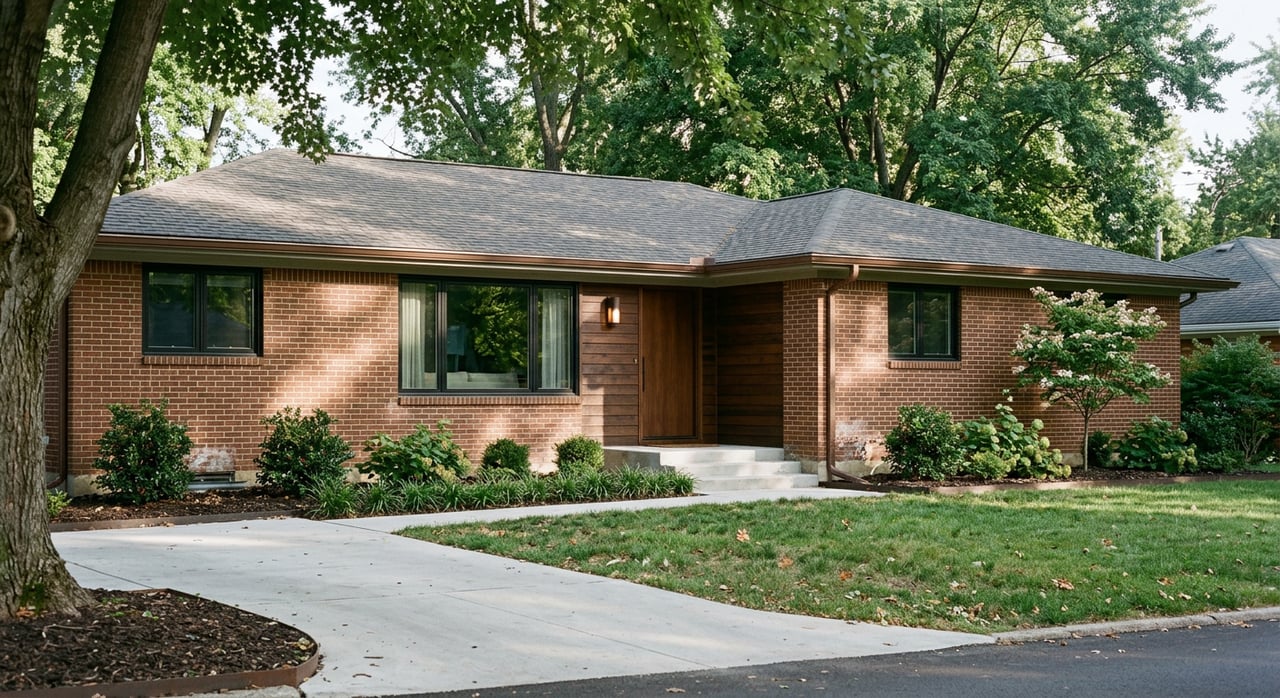
- Choose an existing home if you prefer faster move-in, mature landscaping, and the ability to renovate over time.
Timelines and move-in speed
Existing homes typically close in 30 to 60 days after a contract is accepted, subject to your loan and any negotiated repairs. You can usually move in right after closing.
New construction depends on product type:
- Move-in ready spec homes: closing timeline similar to a resale once you select the home.
- Production builds: often a few months if a model or inventory plan is ready.
- Custom or semi-custom: commonly 6 to 12 months from plan approval to completion, sometimes more based on selections and builder schedule.
Expect milestones such as lot reservation, contract signing, plan approval, permits, foundation, framing, rough-ins, finishes, final inspection, and punch list. Weather, material supply, subcontractor availability, and change orders can cause delays. Building permits and inspections are typically handled by the City of Little Rock for in-city lots or Pulaski County for unincorporated parcels, which can influence timing.
Cost, upgrades, and financing
Purchase price dynamics differ by path. Existing homes are priced against recent comparable sales, with condition and any dated systems reflected in the list price. New construction often carries a higher price per square foot due to fresh finishes, energy-efficient equipment, and modern layouts. Lots with views, cul-de-sac positions, or larger yards may add a lot premium.
Plan for upgrades on a new build. Builders offer an included feature set, but common preferences like higher-tier countertops, flooring, lighting, and appliance packages add cost. Change orders after construction begins often increase both price and time.
Soft costs can stack up on a new build, including surveys, site prep, utility taps, landscaping, and potential holding costs during construction. With an existing home, immediate soft costs tend to be lower, though you may choose to renovate soon after closing.
Financing varies:
- Existing homes: conventional, FHA, VA, and other standard mortgages are common.
- New construction: consider construction-to-permanent loans, two-close construction loans, or standard mortgages for completed spec homes. Builders may require deposits and sometimes offer incentives with preferred lenders. Always confirm loan suitability with your lender.
Warranties and inspections
Many builders offer a limited warranty package that commonly includes a 1-year workmanship warranty, a 2-year systems warranty for mechanical, electrical, and plumbing, and a longer structural warranty for load-bearing elements. Always review the warranty in writing and note exclusions.
You should still hire independent inspections on a new build. Useful checkpoints include pre-pour foundation, framing, pre-drywall, and final walk-through. Municipal inspections and warranties are important, but third-party inspections add another layer of protection. For existing homes, schedule a full home inspection and consider specialist inspections such as pest, roof, HVAC, or a sewer scope when appropriate.
Customization and design control
New construction gives you the chance to shape the floor plan, choose finishes and fixtures, and sometimes approve structural changes, subject to the builder and any architectural review. The trade-off is cost and potential timeline impacts if selections change.
Existing homes offer established character and landscaping. You can renovate over time to align the home with your style. Keep in mind that updating older layouts or systems to current expectations can add cost and living disruption.
Lots, finishes, and site factors
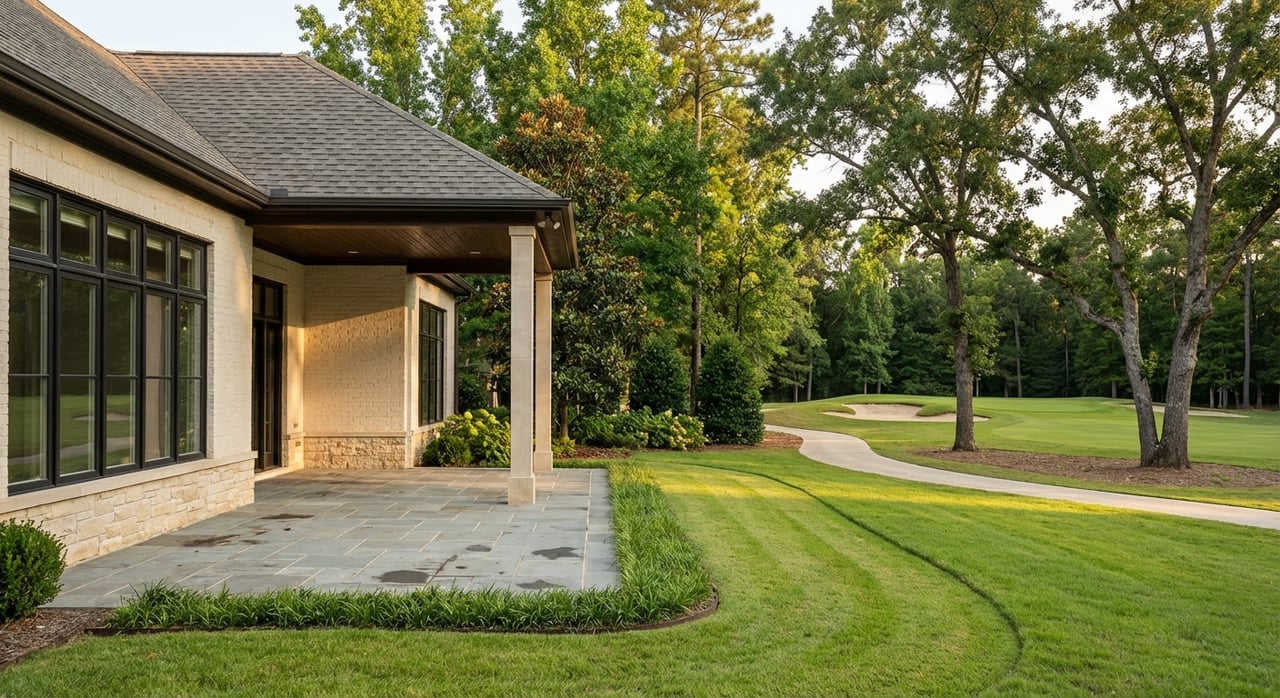
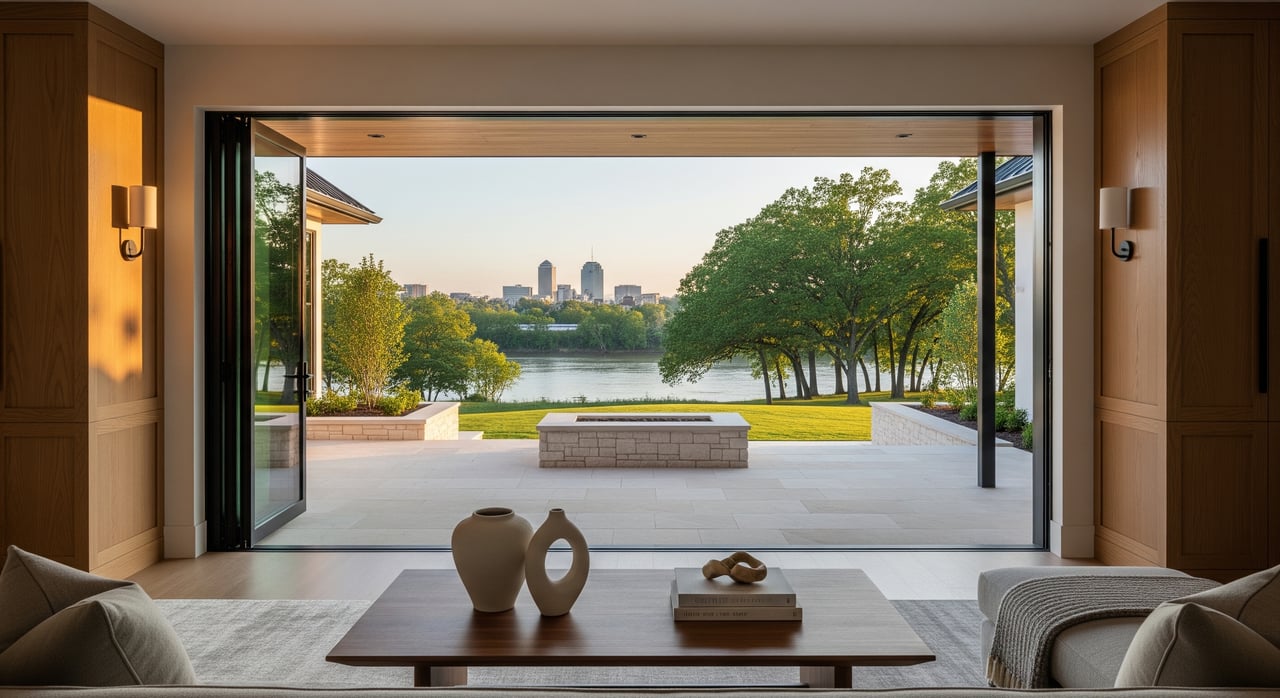
Chenal Ridge features varied lot sizes, from smaller infill sites near retail to larger lots with hilltop views. Topography matters. Sloped sites may require additional site preparation, careful drainage planning, and foundations that accommodate walk-out basements. New builds often include basic sod and irrigation, while older homes may offer mature trees and landscaping.
Typical finishes for recent new builds in the area often include engineered or hardwood floors in living areas, carpet in secondary bedrooms, quartz or granite countertops with a tile backsplash, stainless appliances, energy-efficient windows and HVAC, LED lighting, smart thermostat prewire, and tile showers. Levels of finish vary by builder and product tier, so confirm what is included in the base price.
HOAs, covenants, and approvals
Many Chenal neighborhoods have homeowners associations with design rules. Covenants and architectural review boards can govern exterior materials, rooflines, fencing, color palettes, and landscaping. If you plan to build or make exterior changes, allow time for design submission and approval.
Before you commit, confirm whether the property is within city limits or unincorporated Pulaski County, verify HOA fees and rules, and understand any restrictions on rentals or accessory structures. Builders in covenant neighborhoods coordinate with review committees, but you are responsible for understanding what is permitted.
Resale value and buyer fit
In Chenal Ridge, resale value tends to follow location within the neighborhood, lot size, quality of build and finishes, floor plan relevance, and overall condition. Newer construction appeals to buyers who want low maintenance and modern systems, but that new-home premium can soften over time as similar inventory is built nearby. Well-maintained existing homes with desirable layouts and lots also resell well when priced against local comps.
Short term, it can be hard to recoup highly personalized upgrades if you sell quickly. Long term, quality materials and functional floor plans usually hold appeal.
Who tends to prefer which path:
- Convenience-first buyers often favor existing homes or move-in ready spec homes with minimal maintenance.
- Personalization-focused buyers are more willing to wait and invest in a build that delivers the exact floor plan and finishes they want.
Your decision checklist
Use this quick checklist to narrow your path:
- Timeline: Do you need to move in within 60 days, or can you wait 6 to 12 months?
- Budget: Have you accounted for upgrades, lot premiums, and soft costs on a new build, or potential renovation costs on a resale?
- Design control: Do you want to pick finishes now, or phase updates after closing?
- Site factors: Are you comfortable evaluating slopes, drainage, and foundation types for view lots?
- HOA rules: Are covenants and architectural reviews aligned with your plans for fencing, exterior colors, or future additions?
- Resale: Which option aligns with local comps and your expected hold period?
How we can help
You should not have to make this decision alone. With neighborhood-level expertise across West Little Rock, we can help you compare specific Chenal Ridge lots and homes, outline realistic build timelines, and match you with trusted lenders, builders, inspectors, and contractors. We focus on your goals first, then guide you from offer to close with clear communication.
Ready to explore both options side by side, including current spec homes and local comps? We can assemble a short list tailored to your timeline, budget, and design preferences.
If you are weighing new construction against an existing home in Chenal Ridge, let’s talk through your options and map the best path for your move. Connect with Will Smith to get started.
FAQs
How long does building a home in Chenal Ridge take?
- Spec homes can close in weeks to a few months, while production and custom builds commonly take 4 to 12 months depending on permits, weather, materials, and selections.
Are new homes in Chenal Ridge covered by warranties?
- Many builders offer a limited warranty that commonly includes 1-year workmanship coverage, 2-year systems coverage, and a longer structural warranty, so review the written terms.
Should I get inspections on a new build in West Little Rock?
- Yes, schedule third-party inspections at key stages such as foundation, framing, pre-drywall, and final, in addition to municipal inspections.
What financing options exist for new builds in Chenal Ridge?
- Options can include construction-to-permanent loans, two-close construction loans, or standard mortgages for completed spec homes, and a lender can help confirm the best fit.
How do HOAs in Chenal Ridge affect exterior design?
- Many neighborhoods require architectural review and follow covenants that guide materials, rooflines, fencing, color palettes, and landscaping, so plan time for approvals.
Which has better resale in West Little Rock, new or existing?
- Both can resell well when aligned with location, lot quality, floor plan relevance, and condition, and local comps are the best guide for likely resale outcomes.