Thinking about a move to North Little Rock? You are not alone. Many buyers and renters look here for a smaller-city feel with quick access to Little Rock’s jobs, hospitals, and cultural spots. In this guide, you’ll get a clear picture of daily life, from neighborhood options and outdoor parks to commutes, schools, and practical tips. Let’s dive in.
North Little Rock at a glance
North Little Rock sits just across the Arkansas River from Little Rock. It blends a historic downtown core in the Argenta Arts District with quiet residential areas and large parks. The city has a mixed population of about the mid-60,000s and a range of household types, including families, young professionals, and retirees.
You will find that the regional economy is anchored by state government, healthcare, education, retail and distribution, and manufacturing. Many residents commute across the river or to other parts of the metro for work. Cost of living tends to be below the national average, and housing is often where you see the biggest value compared with larger U.S. metros.
Neighborhoods and housing
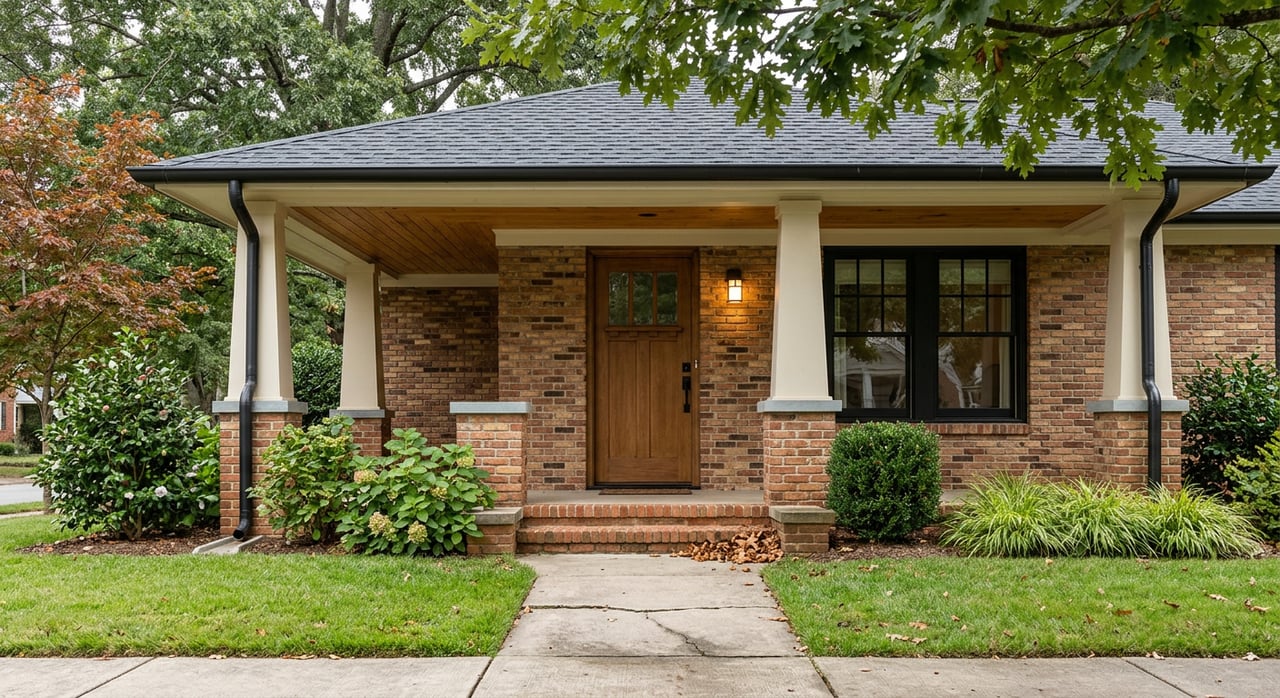
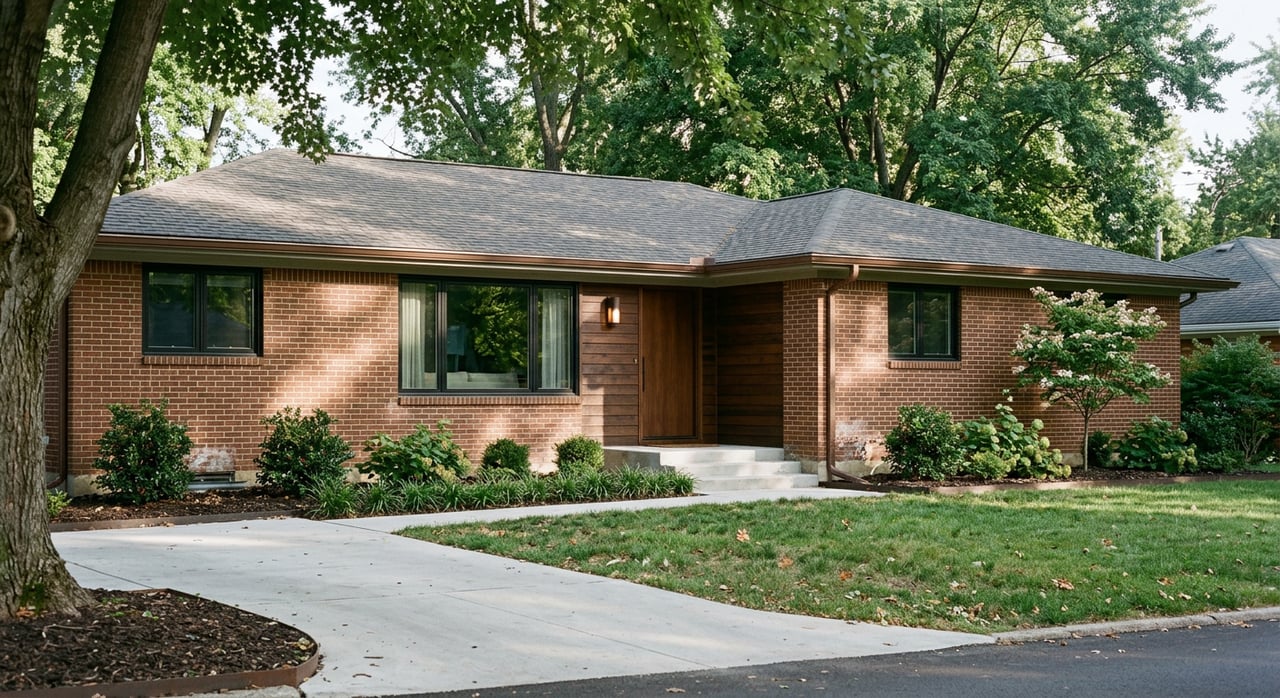
North Little Rock offers several lifestyle settings within a short drive of each other. Housing types range from historic cottages to mid-century ranch homes, newer subdivisions, townhomes, and apartments near main corridors.
Argenta Arts District
If you want walkability, galleries, and a local dining scene, Argenta is the cultural hub. You can stroll to restaurants and bars, check out art events, and enjoy small historic homes or renovated apartments. It feels close to downtown energy without living in Little Rock’s downtown itself.
Riverfront and downtown-adjacent
Areas near the river offer easy access to trails, parks, and event spaces. You will see a mix of older single-family homes, newer infill, and apartment buildings. Many residents bike or jog along the river before or after work.
Suburban residential areas
North and east of the core, you will find quiet streets with yards and a strong single-family focus. These neighborhoods appeal to buyers who want space for pets, gardens, and weekend projects. Streets are generally wider, and daily life centers around home routines, nearby schools, and local parks.
Edges and water-adjacent pockets
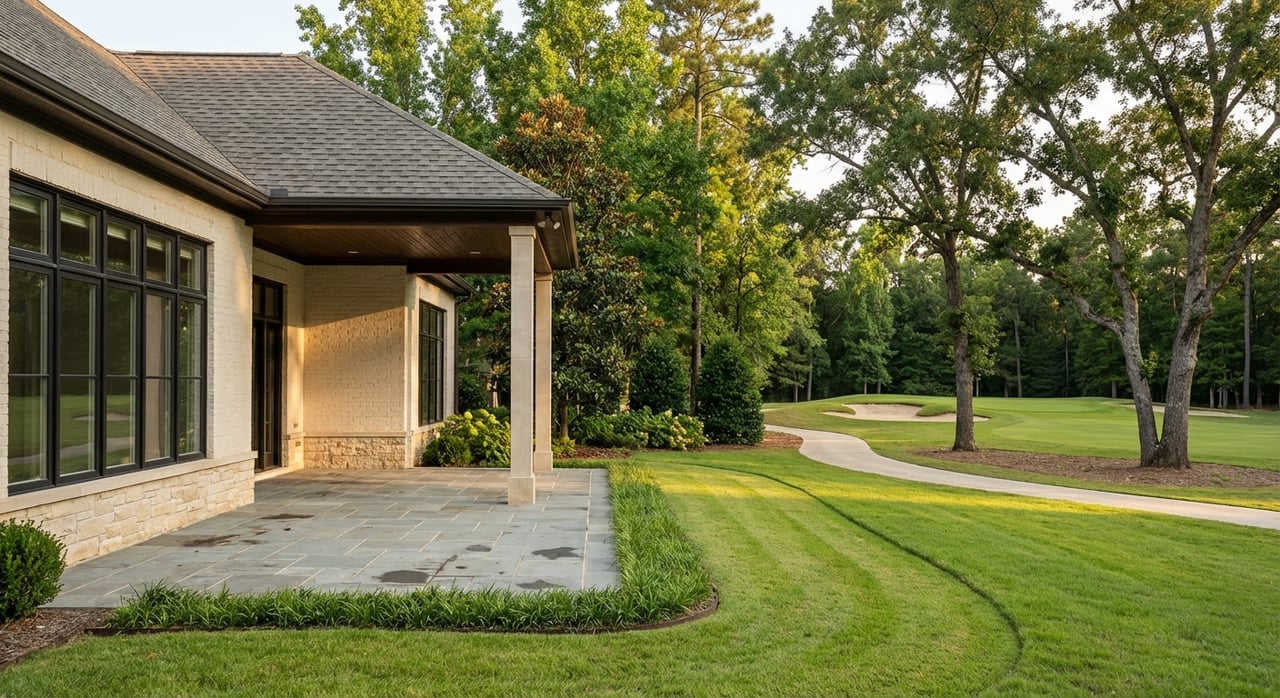
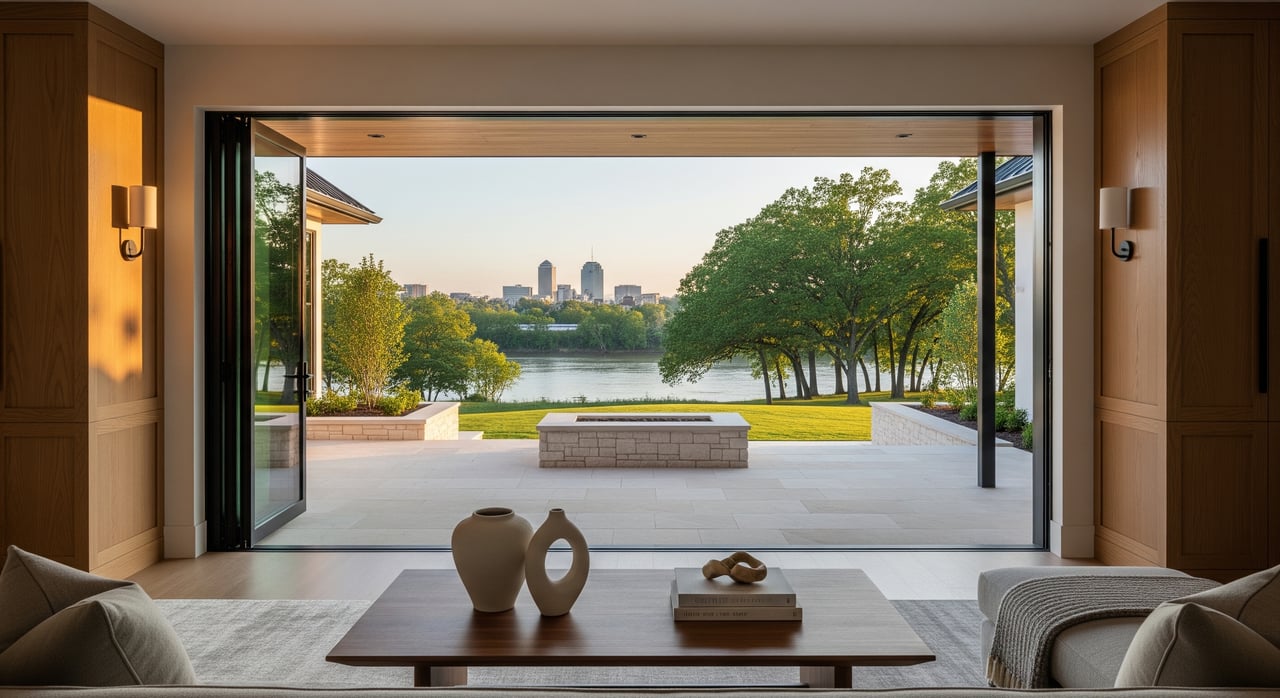
Closer to the river or in areas with larger lots, some homes offer more privacy and a deeper connection to the outdoors. If you like weekend fishing, boating, or backyard gatherings, these pockets might be a good fit.
Who moves here
- Families who want space, parks, and relative affordability.
- Professionals who work in Little Rock and prefer a shorter commute with more yard or square footage.
- Retirees looking for a manageable cost of living and easy access to medical care.
- Renters, including healthcare and service workers, who want proximity to jobs and local amenities.
Daily life and things to do
North Little Rock’s rhythm is easy to enjoy. You can spend a morning outdoors, grab lunch in Argenta, and be across the river for a show or museum the same evening.
Parks and the outdoors
- Burns Park: A major municipal park with sports fields, trails, and picnic spots. It is popular for family weekends and community sports.
- Arkansas River trails: These trails are great for daily walking, jogging, or cycling with water views.
- Day trips: Pinnacle Mountain State Park is a short drive for hiking and bigger nature outings.
If an active routine is important, you will find community sports leagues, dog-friendly areas, and plenty of green space to explore.
Dining, arts, and nightlife
Argenta draws people for galleries, craft breweries, and local restaurants. You will see regular art nights and weekend happenings that fill the sidewalks. North Little Rock has a mix of independent eateries and regional favorites, and Little Rock’s broader dining neighborhoods are just over the bridges when you want more options.
Events and community
Throughout the year, you can browse farmers markets, attend art walks, and join seasonal festivals. Weekend park events and sports tournaments are common. The social calendar often revolves around Argenta and the riverfront.
Getting around and commutes
Driving is the most common way to get around. Multiple bridges connect North Little Rock to downtown Little Rock, and major interstate corridors serve the region. For many residents, a typical commute to downtown Little Rock can be around 10 to 25 minutes by car depending on location and traffic.
Public transit is available through the regional bus system with routes that connect North Little Rock and Little Rock. Service frequency and coverage vary by line, so most people combine occasional bus rides with driving. If you travel often, Bill and Hillary Clinton National Airport is a short drive from most neighborhoods.
Parking is generally straightforward. Argenta and the riverfront have on-street spaces and municipal lots. Expect short-term congestion near festivals, sports events, and popular park weekends.
Schools, healthcare, and practicals
- Schools: Most students attend schools in the North Little Rock School District. The metro also has charter and private school options. Families often compare schools by program offerings, logistics, and proximity to home.
- Healthcare: Primary care and urgent care clinics are within the city, and major hospitals and specialty centers are located mainly in Little Rock.
- Safety: Crime varies by neighborhood, similar to other mid-sized cities. It is a good idea to review local police department crime maps and speak with neighbors for street-level context.
- Utilities and services: Standard municipal services are available. Property taxes and local millages influence monthly costs. If you are considering a river-adjacent home, ask about flood zones and insurance needs during due diligence.
How it compares to Little Rock
North Little Rock often feels smaller and more residential. Little Rock has larger cultural institutions and a broader mix of dining and retail. Housing in North Little Rock can be competitively priced, especially outside high-demand pockets near the river and Argenta. If you want quick access to green space and parks with an easy jump across the river for work or events, North Little Rock is a practical base.
Is North Little Rock a fit for you?
You might feel at home here if you value:
- A balanced lifestyle with big parks, river trails, and quick city access.
- A walkable arts district for dinners, gallery nights, and local events.
- Single-family neighborhoods with yard space and a quieter pace.
- Commutes that are generally modest compared with larger metros.
If you are weighing Argenta’s walkability against suburban space, or you are trying to pinpoint the right school zones and commute triangle, a guided neighborhood tour can help you decide.
Ready to explore homes and neighborhoods with a local advisor who knows the streets by heart? Connect with Will Smith for tailored guidance, neighborhood comparisons, and a clear plan from offer to closing.
FAQs
Is North Little Rock affordable compared to larger cities?
- The Little Rock metro typically offers a lower cost of living than the national average, with housing being a key value driver.
What is daily life like in the Argenta Arts District of North Little Rock?
- You can walk to restaurants, galleries, and events, and live in small historic homes or renovated apartments close to the riverfront trails.
How long are typical commutes from North Little Rock to downtown Little Rock?
- Many residents report drives around 10 to 25 minutes depending on where they live and daily traffic conditions.
What outdoor recreation does North Little Rock offer?
- Burns Park, riverfront trails, and proximity to Pinnacle Mountain State Park make it easy to build daily walks, bike rides, and weekend hikes into your routine.
What school options are in North Little Rock?
- Most students attend the North Little Rock School District, with additional charter and private options available across the metro.
How does North Little Rock compare with living in Little Rock for lifestyle?
- North Little Rock often feels more residential and park-forward, while Little Rock offers larger cultural venues and wider dining choices just across the river.